Wir empfehlen die Online-Version

Online-Version

27. Februar 2026


Liebe Leserinnen und Leser, 

Der morgige Tag der Seltenen Erkrankungen lenkt jedes Jahr den Blick auf Millionen Menschen, deren Leiden oft lange unerkannt bleibt. Allein in Europa leben rund 30 Millionen Betroffene, in Deutschland schätzungsweise 4 Millionen. Etwa 75 % der über 7.000 bekannten seltenen Erkrankungen sind genetisch bedingt. Im Durchscnitt vergehen 4-5 Jahre bis zur korrekten Diagnose.

Hier können Gen- und Zelltherapien ihr transformatives Potenzial entfalten: Sie setzen an der molekularen Ursache an, korrigieren defekte Gene oder ersetzen geschädigte Zellen – mit der Perspektive auf einmalige, langfristig wirksame Behandlungen statt lebenslanger Symptombekämpfung. Damit diese innovativen Therapien Patientinnen und Patienten erreicht, braucht es koordinierte Rahmenbedingungen. Die Nationale Strategie für Gen- und Zelltherapien ist ein zentraler Teil der Lösung: Sie stärkt die Forschung, Ausbildung und Vernetzung und beschleunigt damit den Transfer in die klinische Praxis. Für Menschen mit seltenen Erkrankungen bedeutet das vor allem eines: neue Hoffnung.

In dieser Ausgabe erfahren Sie vom Wachstum unseres Entrepreneurship-Programms GeneNovate, erhalten einen Überblick der Fortschritte in der Nationalen Strategie GCT und lesen über Registergründung und Patientenbeteiligung. Des Weiteren stellen wir Ihnen das "druckfrische" GCT-Dossier vor und berichten über neue Entwicklungen in der Projekt- und Personenförderung. Neben Aktuellem aus der Regulatorik haben wir für Patientinnen und Patienten ein Infopaket zusammengstellt und möchten Ihnen das 10. Rare Disease Symposium der Eva Luise und Horst Köhler-Stiftung ans Herz legen. Zudem finden Sie im Newsletter einen Podcast über neuartige CAR-T-Zellen und Neuigkeiten unserer Partnernetzwerke, der deutschen GCT-Community nebst zahlreichen Veranstaltungshinweisen und Stellenausschreibungen.

Viel Freude beim Lesen und Teilen wünschen Ihnen
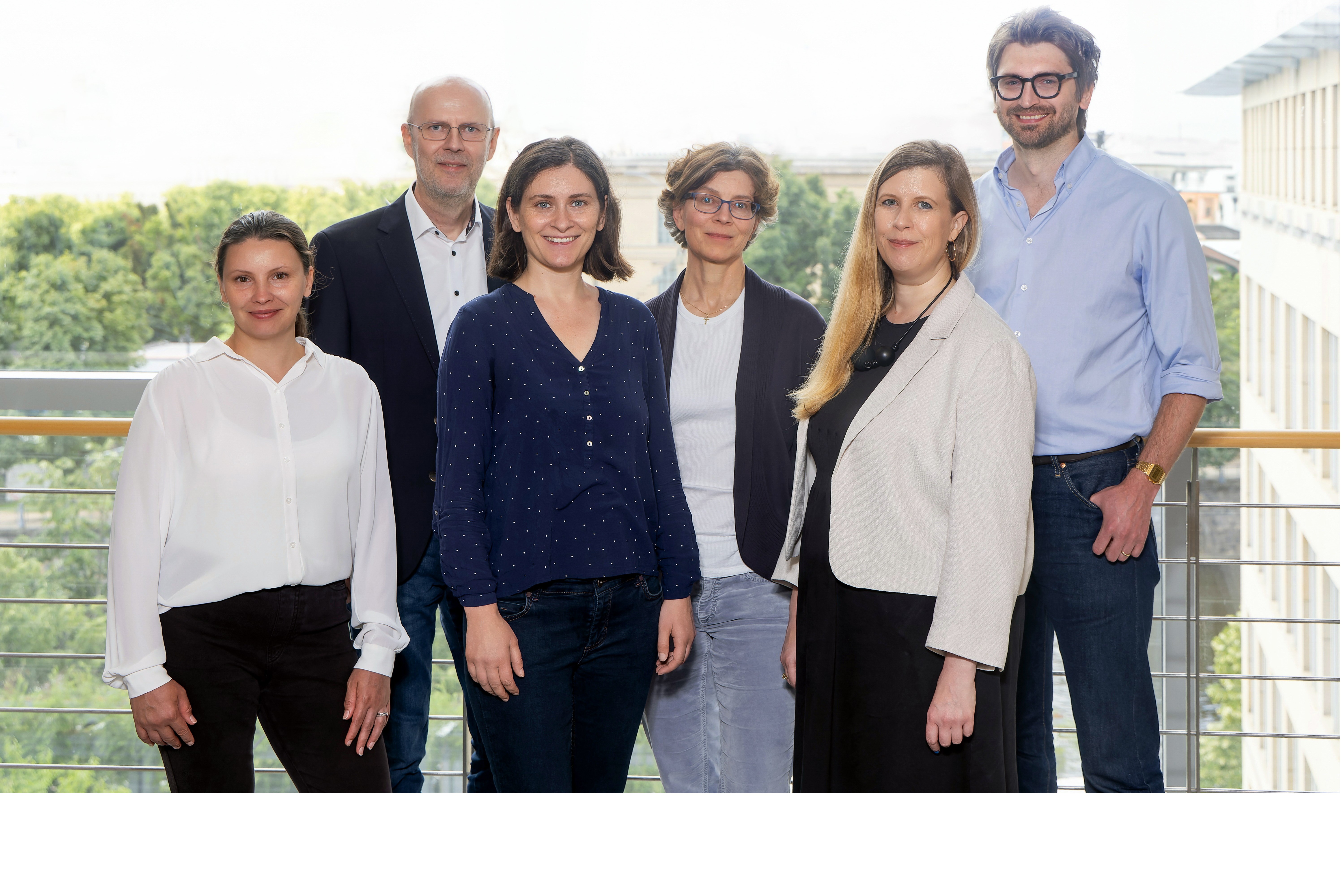
Elke Luger und das Team des Nationalen Netzwerkbüros GCT Germany

Foto: © Adobe Stock #320955605 

Click here for english version

In eigener Sache 

GeneNovate® 2026
Neue Regionen und Formate

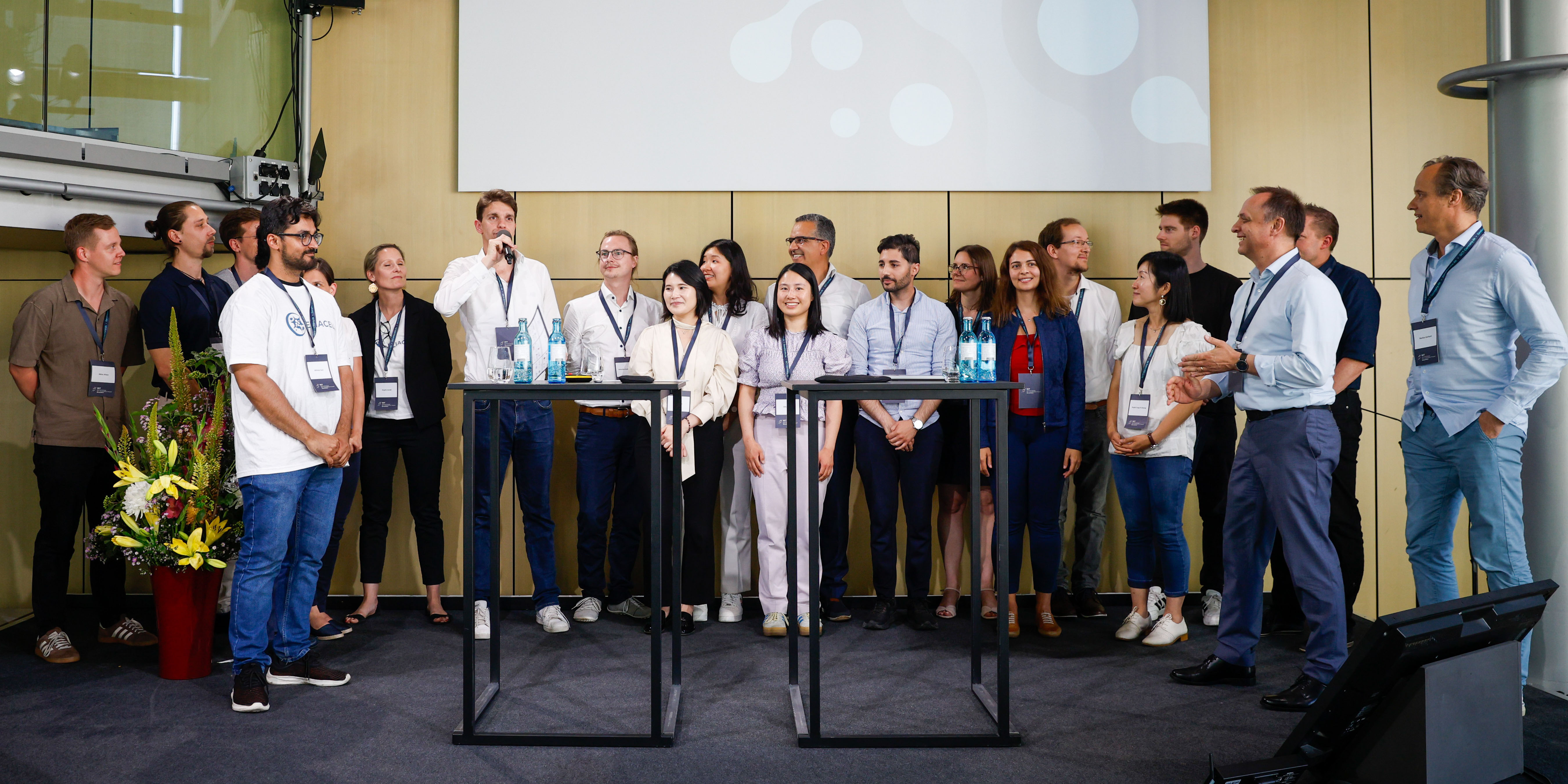
Bereits im Dezember 2025 startete das Entrepreneurship-Programm GeneNovate® in die dritte Runde. Rund 195 Forschende aus Wissenschaft und Klinik nehmen in nunmehr 9 Regionen in ganz Deutschland teil. Neu dabei sind Partnerinstitutionen in den Regionen NRW I (Aachen, Bonn, Köln, Düsseldorf), NRW II (Essen) und in der Region Südwest (Freiburg / Tübingen).

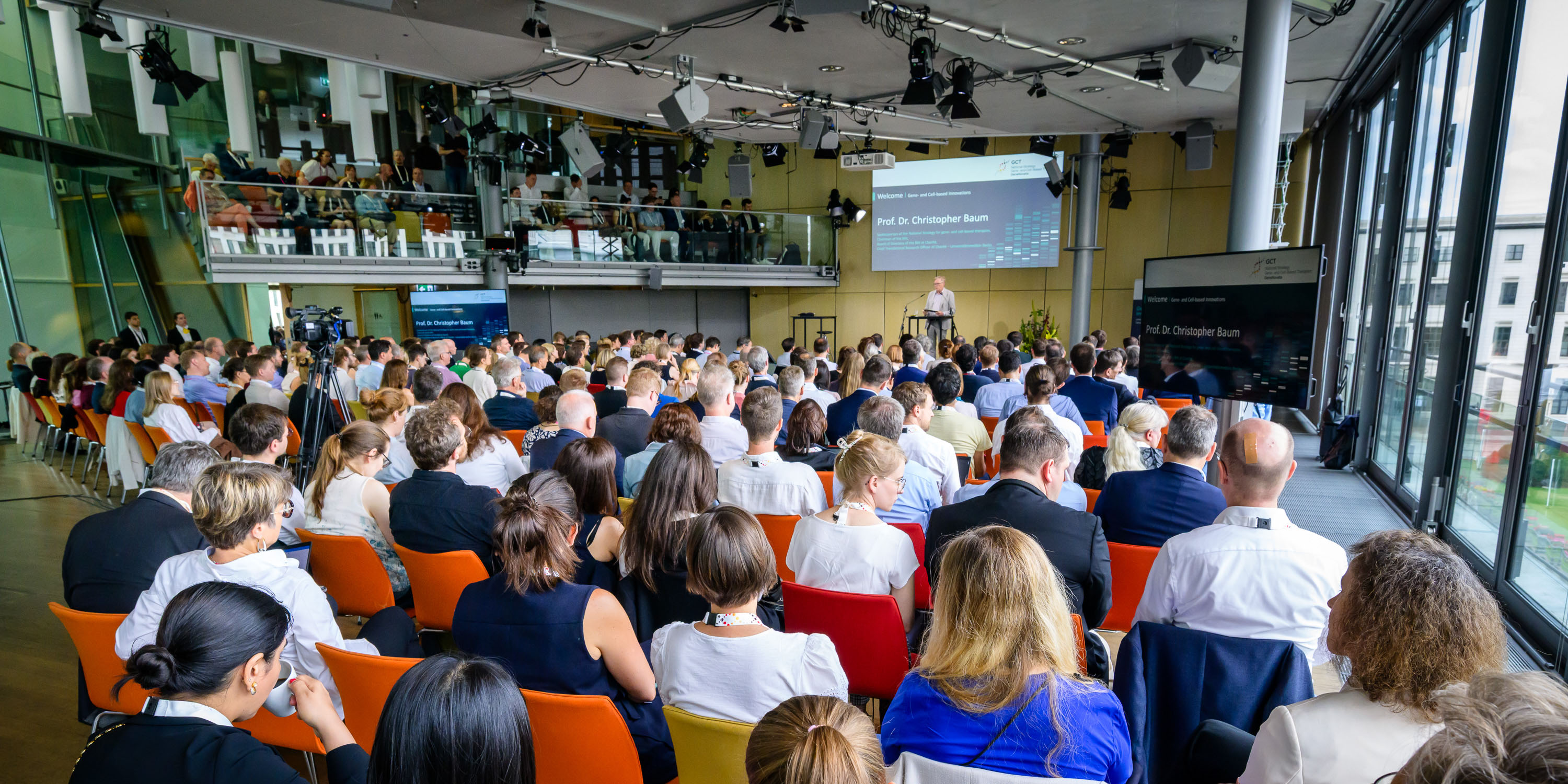
In diesem Jahr verfolgt das Programm einen hybriden Ansatz: Die 6 Theorie-Sessions werden neuerdings deutschlandweit parallel gestreamt. Somit haben die Teams in den Präsenzworkshops mehr Zeit, ihr neues Wissen direkt in ihre Projekte einzubringen. Dabei werden Sie von Expert*innen aus Regulatorik, Industrie, IP, etc. unterstützt. Die vielversprechendesten Projekte aus den Regionen dürfen beim Final Event in München (25. Juni 2026) vor einer erfahrenen Jury aus Investor*innen und Buisness Angels pitchen.

Foto: Gewinner-Teams des Final Event 2025 in Berlin © NWB | Arne Sattler

banner

GeneNovate® im VentureCapital Magazin 

Das VentureCapital Magazin beleuchtet was Ausgründungen erfolgreich macht. Im Bereich Healthcare/Biotech wird es allerdings komplex. Ein derart vielschichtiges Ökosystem braucht hoch spezialisierte Ansätze. 

Ingo Schroeter und Elke Luger, die Köpfe hinter GeneNovate®, sprechen über die besonderen Herausforderungen des Healthcare-Marktes und wie das Programm ein vielversprechender Teil der Lösung ist. 

Zum Epaper (ab Seite 48)
banner

Jetzt registrieren: GeneNovate® Final Event

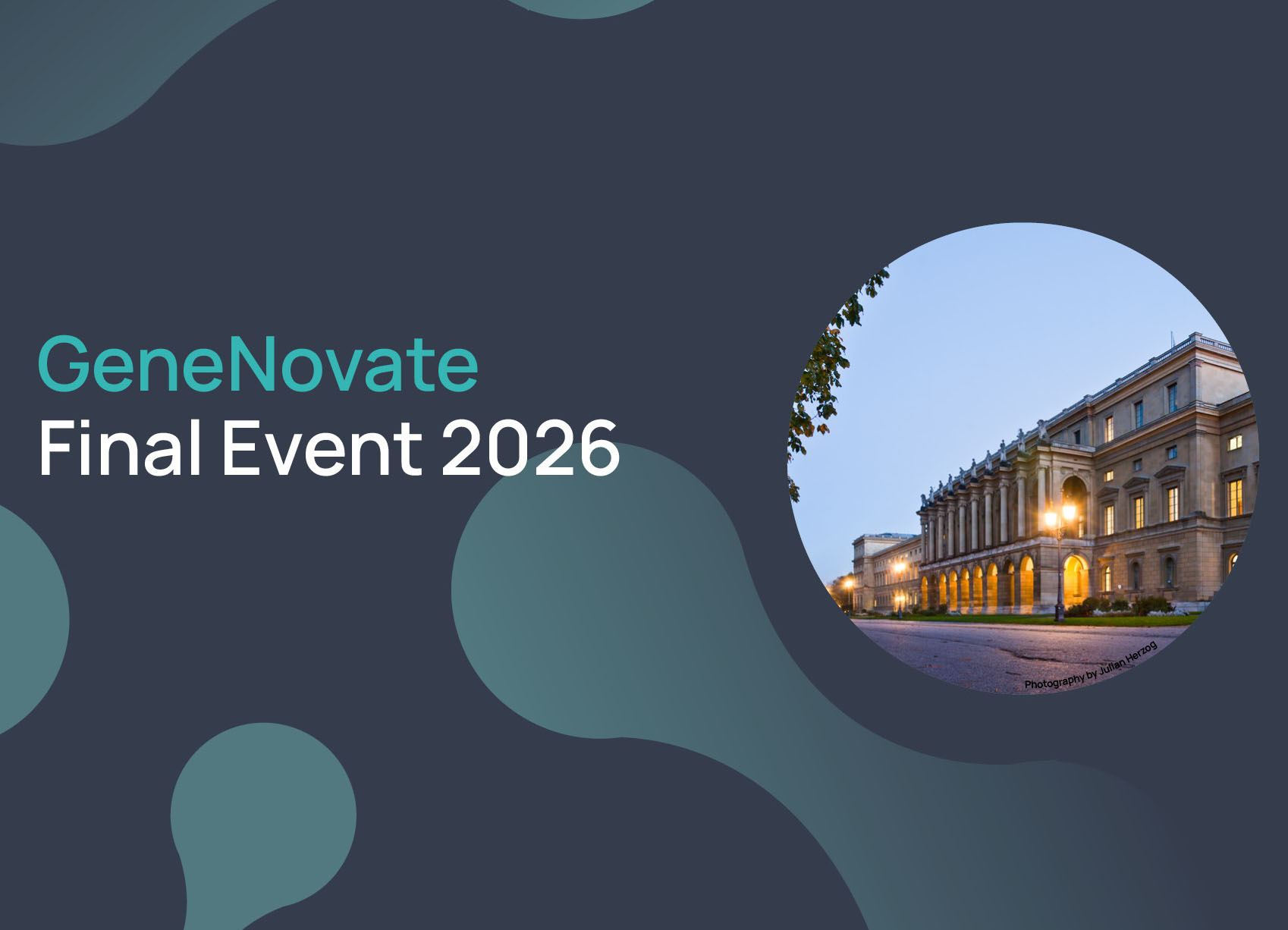
Am 25. Juni 2026 findet das GeneNovate®  Final Event in der renommierten Residenz in München statt. Diese besondere Veranstaltung präsentiert spannende Pitches unserer GeneNovate-Teams und bietet wertvolle Einblicke von Investor*innen, Startups, Regulatorik-Expert*innen sowie Vertreter*innen der pharmazeutischen Industrie. Darüber hinaus erhalten Sie die Möglichkeit, sich über Sponsoring-Optionen zu informieren und sich intensiv mit führenden Branchenvertreter*innen, Expert*innen und Innovator*innen zu vernetzen.

Zur Registrierung [auf Englisch]

Wissen bündeln und teilen
Weitere Datenbanken aus dem Bereich GCT / ATMP

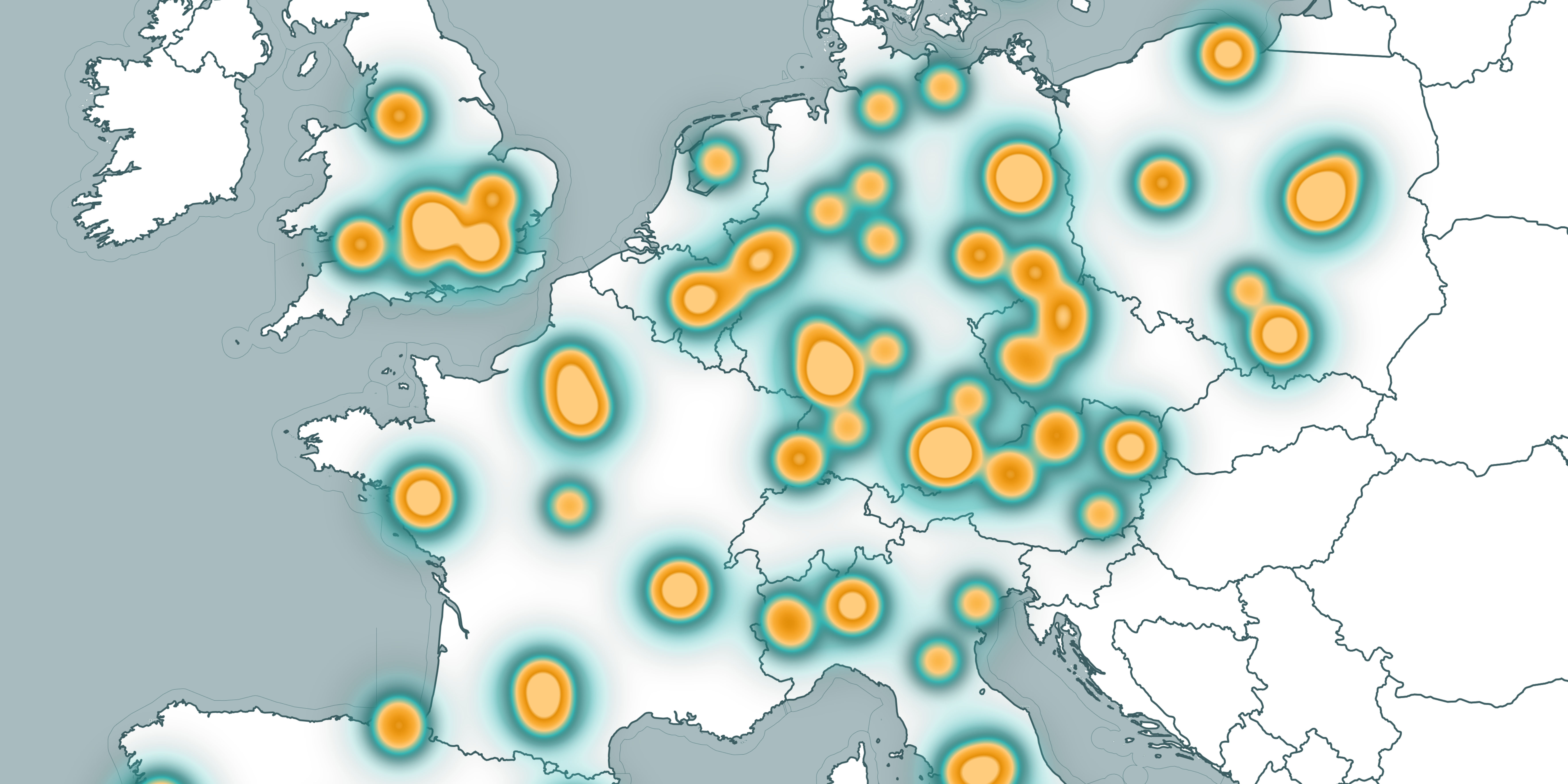
Europaweit gibt es neben dem Netzwerkbüro GCT Germany weitere  Plattformen oder Organisationen, die Informationen aus dem Bereich Gen- und zellbasierte Therapien (GCT) und Arzneimittel für neuartige Therapien (ATMP) als interaktive Online-Karten zur Verfügung stellen. Auf der Seite des GCT-Atlas haben wir diese für Sie verlinkt.

Dazu zählen unter anderem Stammzellregister, Behandlungszentren für neuartige Therapien – insbesondere im Bereich Seltene Erkrankungen –, spezialisierte Herstellungsstätten für ATMPs sowie Biobanken, die durch die Sammlung und Bereitstellung biologischer Proben eine wichtige Grundlage für Forschung und klinische Anwendung schaffen. Die Übersicht wird laufend aktualisiert.

Zur Webseite

Grafik: © NWB

RegMed-Forum 2026
Es liegt (auch) an uns!

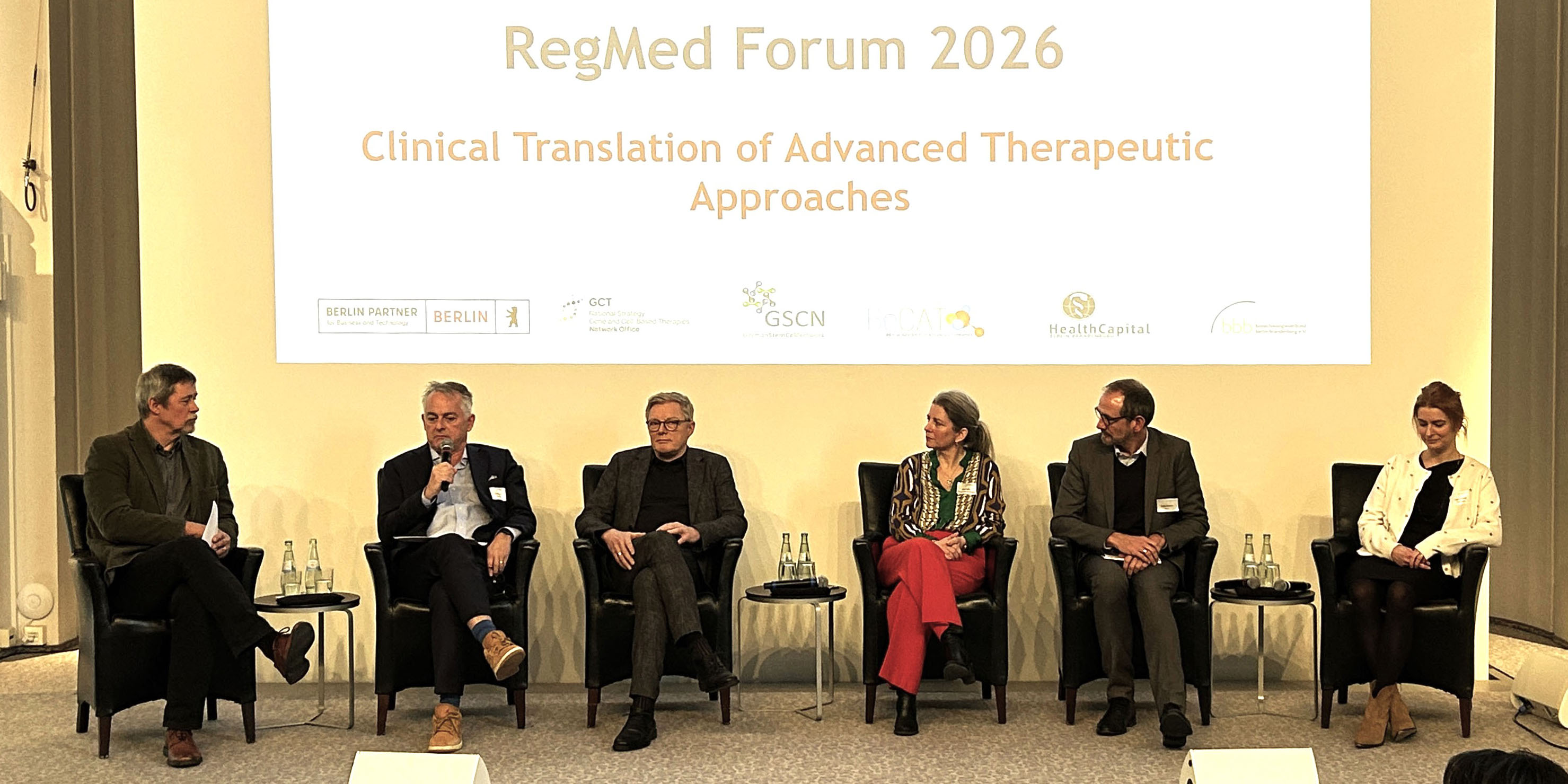
Als Co-Host des diesjährigen RegMed Forums blicken wir im Netzwerkbüro mit großer Begeisterung auf eine inspirierende und wegweisende Veranstaltung zurück. Im Zentrum stand die klinische Translation innovativer Therapieansätze, vor allem Gen- und Zelltherapien. Die klare Botschaft: Gemeinsam können wir den Weg von der Forschung in die Versorgung deutlich beschleunigen. Die Diskussionen haben eindrucksvoll gezeigt, wie viel Dynamik, Expertise und Gestaltungswille in unserem Ökosystem steckt. Starke Netzwerke, verlässliche Rahmenbedingungen, nachhaltige Finanzierung und mehr unternehmerisches Denken in der Wissenschaft sind entscheidende Hebel. Das Momentum ist spürbar – jetzt heißt es, dies entschlossen zu nutzen und Innovation in konkreten Patientennutzen zu verwandeln.

Zur Seite [auf Englisch]

Foto: © NWB

Neues aus der Strategie

Die Fortschritte der Strategie auf einen Blick

Seit dem Launch der neuen GCT-Website im Juli 2025 zeigt ein Maßnahmenmonitor den aktuellen Umsetzungsstand der Nationalen Strategie GCT transparent und strukturiert. Er bildet einzelne Maßnahmen sowie begleitende Aktivitäten ab und spiegelt wider, wie die Strategie kontinuierlich vorangetrieben wird. So werden die großen Fortschritte, die durch die Beteiligung aller Stakeholder entstanden sind, sichtbar.

Zum Maßnahmenmonitor

Grafik: © Pixabay | David Jones

banner

Nationales Gen- und Zelltherapieregister Deutschland gegründet

Am 30. Juni 2025 wurde das Nationale Gen- und Zelltherapieregister Deutschland e.V. (nGCT-R) gegründet und im Dezember 2025 offiziell eingetragen. Es wird von führenden medizinischen Fachgesellschaften und Forschungseinrichtungen getragen. Ziel ist es, Gen- und Zelltherapien in einer zentralen digitalen Datenbank zu erfassen. So können Erfahrungen aus der Behandlung gesammelt und ausgewertet werden. Das hilft, die Sicherheit für Patientinnen und Patienten zu erhöhen, die Qualität der Versorgung zu verbessern und neue Erkenntnisse für die Medizin zu gewinnen. Perspektivisch soll das Register auf weitere Fachgebiete ausgeweitet werden.

Zur Pressemitteilung
Zur Webseite

Foto: © Adobe Stock #574203654

Patientenbeteiligung in der Nationalen Strategie
Stimmen, die Versorgung verändern

Die Nationale Strategie GCT legt besonderen Wert auf die Perspektive von Patient*innen – von Beginn an und über den gesamten Entwicklungsprozess hinweg. Warum ist Patientenbeteiligung entscheidend? Was braucht es für eine erfolgreiche Mitwirkung? Und welche Erwartungen haben Patientenvertretende an die Strategie? 

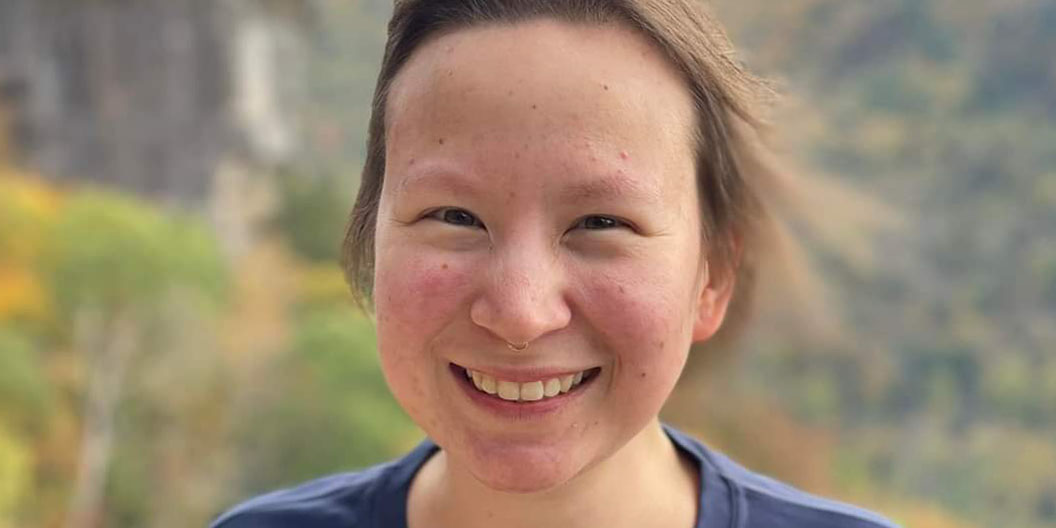
Darüber haben wir mit Nadine Großmann gesprochen. Sie ist stellvertretende Vorsitzende des FOP e.V. – einer Patientenorganisation für Menschen mit der seltenen genetischen Erkrankung Fibrodysplasia Ossificans Progressiva (FOP) – sowie Vorstandsvorsitzende des Board of Directors der International FOP Association in den USA und gestaltet in ihrer Rolle als Patientenvertreterin die Strategie aktiv mit. 

Zum Interview

Foto: Privat

Neues GCT-Dossier
Gen- und Zelltherapien verständlich erklärt

In der Arbeitsgruppe 8 (Interaktion mit der Gesellschaft) der Nationalen Strategie GCT wurde eine Subgruppe zur Informationsaufbereitung gegründet. Ziel ist es, GCT-Inhalte strukturiert, verständlich und zielgruppenspezifisch aufzubereiten und so den Wissenstransfer zwischen Wissenschaft, Medien, Politik und Gesellschaft nachhaltig zu stärken. Enstanden ist ein kompaktes, verständliches Kurzdossier, das bspw. Journalist*innen oder Politiker*innen fundierte Informationen zu GCT anbietet. Ergänzend werden weitere Formate wie Flyer und Scrollytelling entwickelt. Eine noch laienverständlichere Version des Dossiers ist in Vorbereitung. 

Zum Dossier

Grafik: © Adobe Stock #1458684620

CME-Live-Talk
GCT konkret für die Hausarztpraxis

Gen- und Zelltherapien verändern die Versorgung – auch in der Hausarztpraxis. Die CME-Fortbildung „Gen- und Zelltherapie kompakt“ zeigte am 24. Februar 2026 praxisnah, worauf es ankommt: geeignete Patient*innen erkennen, gezielt überweisen und nach innovativen Therapien langfristig begleiten. 

In Kooperation mit der Nationalen Strategie GCT sowie der Deutschen Gesellschaft für Gentherapie e.V. und unter Leitung von Prof. Annette Grüters-Kieslich (Eva Luise und Horst Köhler Stiftung) wurden aktuelle Anwendungen, insbesondere bei Seltenen Erkrankungen, sowie konkrete Handlungsempfehlungen vorgestellt. Zielgruppe der Veranstaltung sind Ärzt*innen. Die Aufzeichnung ist jederzeit on demand verfügbar.

Zur Aufzeichnung

Foto: © Adobe Stock #67125681235

Frühe Karriereförderung mit Wirkung
Zwei nTTP-GCT Fellows zeigen, wie Translation gelingt

Erfolgreiche Publikationen und Anschlussförderungen gelten als zentrale Schritte in der wissenschaftlichen Laufbahn. Zwei Fellows des nationalen Translationalen Tandemprogramms für gen- und zellbasierte Therapien (nTTP-GCT) haben innerhalb ihres ersten Förderjahres genau das erreicht:

banner

Dr. Lucie Loyal...

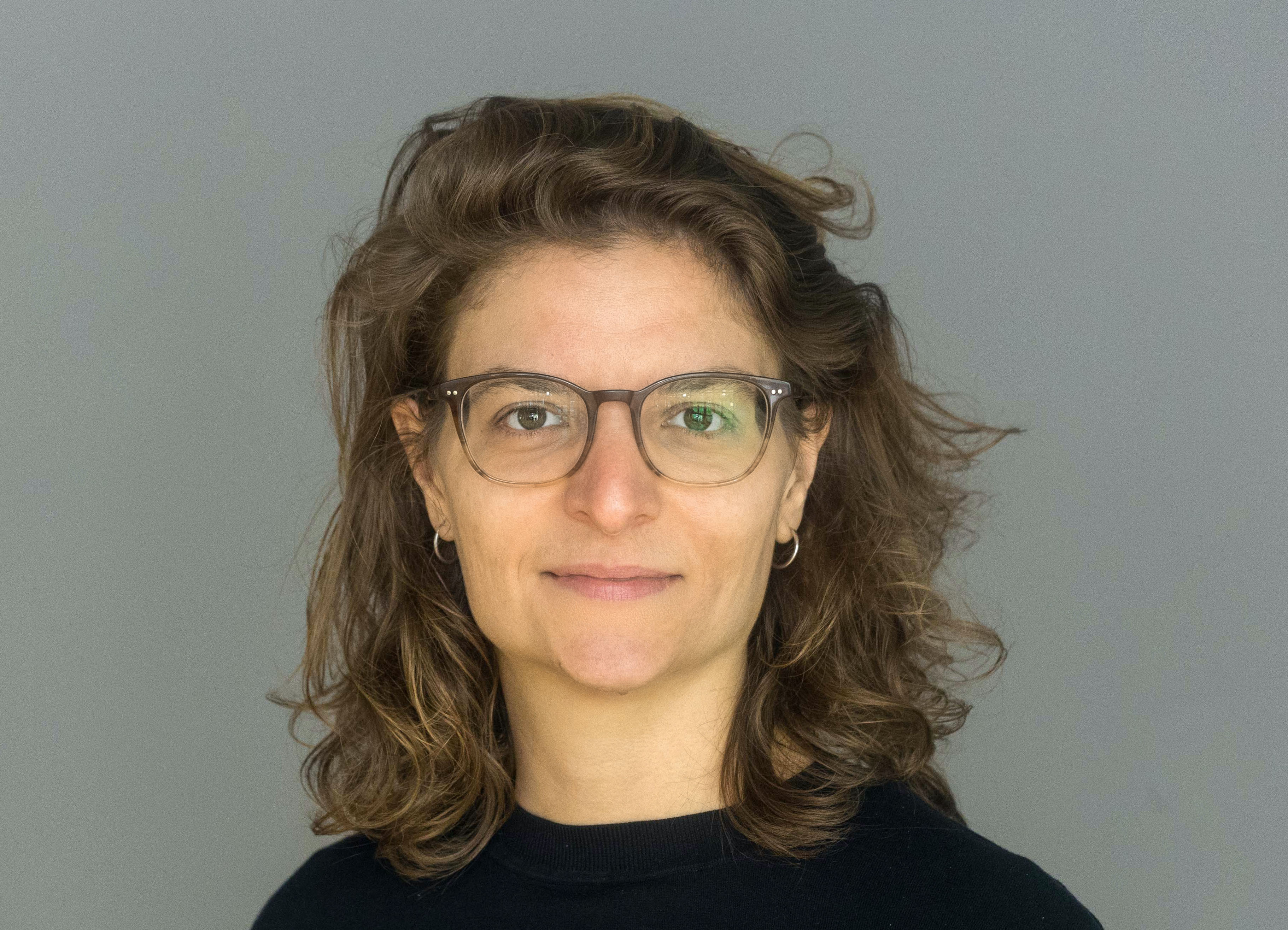
..., die in Berlin am BIH als Translational Scientist forscht, stellt in diesem Beitrag ihre Forschung und wissenschaftlichen Ziele für ihre gerade erhaltene Förderung durch die Else Kröner-Fresenius-Stiftung (EKFS) vor, die auf ihrem nTTP-GCT-Projekt aufbauen.

Foto: Privat

banner

Dr. Shady Sayed...

...von der Medizinischen Fakultät Carl Gustav Carus Dresden spricht in einem Interview über seine Erfolge und weiteren Karrierepläne. Erfahren Sie hier, welche Forschungsfragen den Translational Scientist antreiben, welche Entscheidungen für ihn prägend waren und welche Rolle das nTTP-GCT dabei gespielt hat.

Foto: Privat

SPARK-BIH GCT bringt Projekte, Expertise und Industrie zusammen

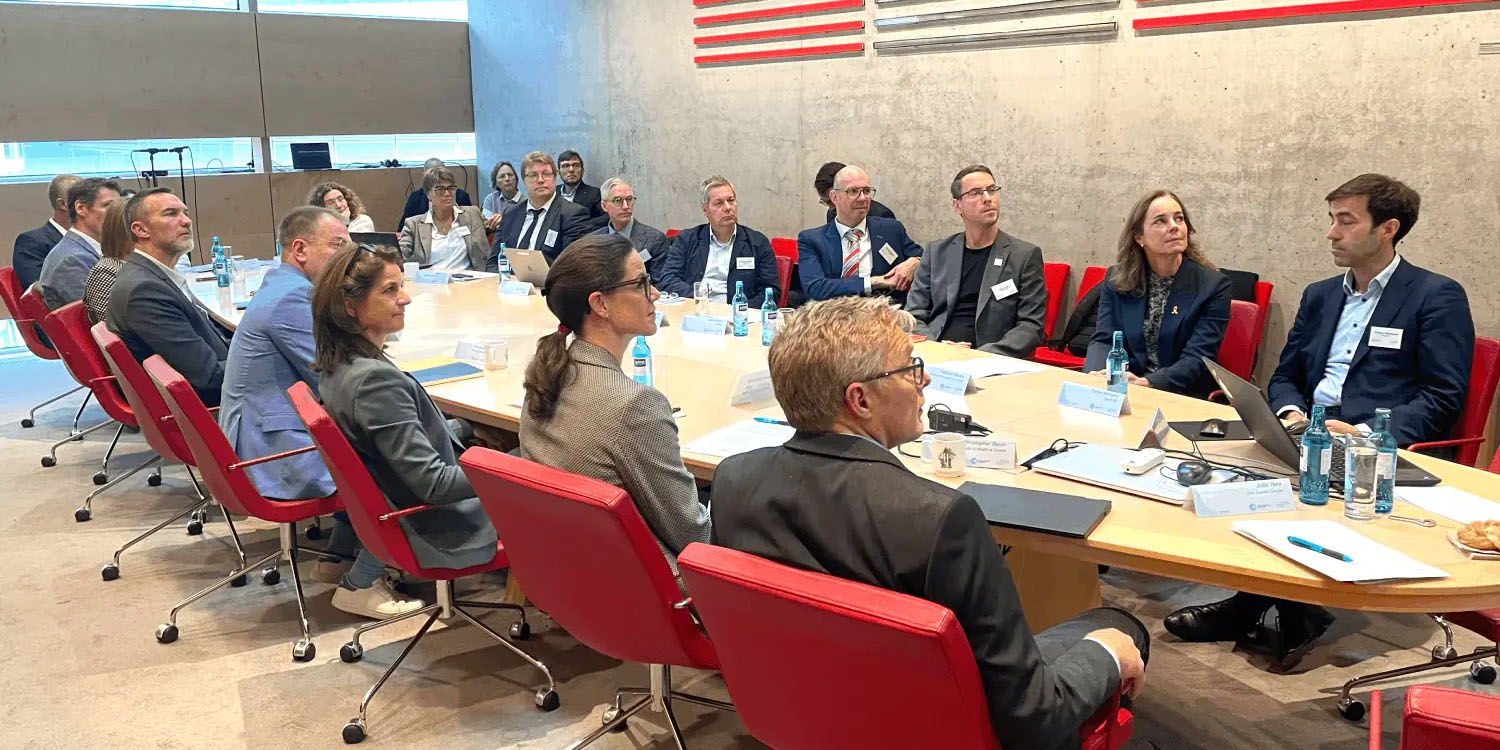
Das SPARK-BIH Nationale GCT-Team veranstaltet in Zusammenarbeit mit ForTra am 18.– 19. Mai einen zweitägigen Workshop in Frankfurt, der geförderte Projektteams, zentrale Akteur*innen der Nationalen Strategie und GCT-Expert*innen zusammenbringt. 

Die Registrierung öffnet in Kürze hier

Parallel dazu werden SPARK-BIH-Projekte [auf Englisch] von zwei internationalen Venture-Capital-Unternehmen begutachtet, die industrienahe Rückmeldungen zur wissenschaftlichen, klinischen und kommerziellen Entwicklungsstand gaben. Auch die Webinarreihe wird fortgesetzt. In kommenden Terminen werden am 19. März das Themen Unternehmensentwicklung in der Biotechnologie (T-knife) und am 30. April das Thema FDA-Zulassungserfolge bei Seltenen Erkrankungen (Fondazione Telethon) behandelt.

Registrierung Webinar "Unternehemsentwicklung" [auf Englisch]
Registrierung Webinar "Orphan Drug--Zulassung / Seltene Erkrankungen" [auf Englisch]

Grafik: © SPARK-BIH

Neues Whitepaper zeigt Europas Potenzial in der Entwicklung innovativer Therapien

Der Oslo Cancer Cluster hat in Zusammenarbeit mit dem Berlin Center for Gene and Cell Therapies (BC GCT) ein neues Whitepaper „Bridging the Gaps: Unlocking the Future of Advanced Therapies in Europe via Novel Alliances” veröffentlicht (englischsprachig). Der Text beschreibt zentrale strukturelle Herausforderungen für Europas Biotech- und Therapielandschaft – von fragmentierter Forschung und fehlender Finanzierung über mangelnde Produktionskapazitäten bis hin zu kulturellen Unterschieden zwischen Wissenschaft und Industrie. Gleichzeitig zeigt es auf, wie koordinierte Forschungszentren, öffentlich-private Partnerschaften, moderne Fertigungstechnologien und engere Zusammenarbeit diese Hürden überwinden und Innovationen schneller in die Versorgung bringen können.

Zum Whitepaper [auf  Englisch]

Foto: © BIH

Regulatory Radar

banner

In dieser Rubrik informiert die Regulatory Support Unit (RSU) der Nationalen Strategie GCT über aktuelle Entwicklungen im Bereich der Regulatorik.

Foto: © BIH | Thomas Rafalzyk

Orphan-Drug-Status
Mehr als nur Marktexklusivität

Mit dem Tag der Seltenen Erkrankungen 2026 wird der Orphan-Drug-Status (ODD) als ein zentrales regulatorisches Instrument zur Beschleunigung von Therapien für Seltene Erkrankungen betont. Der ODD wird häufig mit einer zehnjährigen EU-weiten Marktexklusivität verbunden, jedoch bietet er bereits in frühen Entwicklungsphasen wichtige Vorteile. Dazu zählen bis zu 100 % Gebührenreduktion für die Beratung (Protocol Assistance) durch die Europäische Arzneimittel-Agentur (EMA), was die Entwicklung tragfähiger Entwicklungspläne für kleine Patientenkollektive mit hohem ungedecktem medizinischem Bedarf unterstützt. Eine ODD kann helfen, von Beginn an eine klare regulatorische Strategie zu definieren und den Weg in die Klinik zu beschleunigen.

Die RSU unterstützt Teams bei der Prüfung der Eignung und der Vorbereitung von ODD-Anträgen.Bei Fragen wenden Sie sich gerne an: reg-support@bih-charite.de

Weitere Informationen finden Sie auf der EMA-Webseite [auf Englisch].

European Biotech Act
Ein EU-weiter regulatorischer Rahmen 

Die Europäische Kommission hat im Dezember 2025 den European Biotech Act veröffentlicht, der Maßnahmen zur Reduzierung der regulatorischen Fragmentierung, zur Beschleunigung der klinischen Entwicklung und des Marktzugangs sowie zur besseren Koordinierung zwischen den Mitgliedstaaten vorsieht. Mit seinem Fokus auf neuartigen and innovativen Therapien entlang des gesamten Produktentwicklungszyklus ist der Act insbesondere für GCT von Bedeutung.

Der vollständige Text ist online verfügbar [auf Englisch].

Für Patientinnen und Patienten
Seltene Erkrankungen im Fokus 

EuroGCT: Wissen aus ganz Europa

Das Europäisches Konsortium zur Vermittlung von Informationen über Gen‑ und Zelltherapien, kurz EuroGCT, stellt fundierte und leicht verständliche Informationen zu GCT in mehr als sieben Sprachen zur Verfügung.

Auf der Webseite finden Sie Inhalte zu Seltenen Erkrankungen mit aktuellen Entwicklungen, Registern und detaillierten Erklärungen von Therapiemethoden (z.B. CAR-T-Zellen).

Zur EuroGCT-Webseite

SE-ATLAS: Versorgungsatlas für Menschen mit Seltenen Erkrankungen

Der SE-ATLAS gibt einen Überblick über die Versorgungseinrichtungen und Patientenorganisationen für Menschen mit Seltenen Erkrankungen in Deutschland.

Der Atlas richtet sich gleichermaßen an Betroffene, Angehörige, Ärztinnen und Ärzte, nicht medizinisches Personal sowie an Interessierte.

Zum SE-Atlas
banner
icon

17. April 2026

10. Rare Disease Symposium und 18. Verleihung Forschungspreis EHLKS

Die Eva Luise und Horst Köhler Stiftung (ELHKS) lädt Fachleute und Stakeholder ein, Strategien zur Überwindung von Barrieren und zur Schaffung vernetzter Systeme für Menschen mit seltenen Erkrankungen zu diskutieren. Unter dem Motto „Breaking Boundaries: Uniting People, Knowledge and Systems in Rare Diseases“ sprechen internationale Referierende über Datenintegration, interdisziplinäre Zusammenarbeit, Präzisionsmedizin und digitale Gesundheitsdatenräume. Themen sind unter anderem genomische Kooperationsmodelle, europäische Referenznetzwerke und ethische Fragen nicht diagnostizierter Erkrankungen. Die Veranstaltung ist mit sieben CME-Punkten der Ärztekammer Berlin zertifiziert.

Wann?

Freitag, 17. April 2026
8:30 - 17:00 Uhr


Wo?

KARL STORZ Besucher- und Schulungszentrum
Scharnhorststraße 3, 10115 Berlin, Germany


Podcast „Wirkstoffradio“
CAR T-Cell Targeting mit Dr. Markus Barden

Bernd Rupp vom Podcast „Wirkstoffradio“ spricht mit Dr. Markus Barden vom Leibniz-Institut für Immuntherapie in Regensburg [ENG]. Barden forscht im Bereich der genetischen Immuntherapie [ENG] und beschreibt die Entwicklung der CAR-T-Zelltechnologie von der ersten bis hin zur aktuell vierten Generation, den sogenannten TRUCKs. TRUCKs können nicht nur Tumorzellen erkennen und abtöten, sondern zusätzliche Stoffe freisetzen, die weitere Immunzellen anlocken und somit die Krebsbekämpfung unterstützen. 

Verpassen Sie nicht dieses aufschlussreiche Gespräch voller neuester wissenschaftlicher Erkenntnisse und potenzieller Durchbrüche in der Immuntherapie.

Zur Podcastfolge

Foto: Dr. Markus Baden im Interview | © Wirkstoffradio

Zweifacher Angriff auf krankhafte B-Zellen

Forschende am Max-Delbrück-Centrum (Berlin) entwickeln eine innovative Immuntherapie für das Multiple Myelom, eine Krebserkrankung des Knochenmarks.

Die neue Methode nutzt CAR-T-Zellen, die Krebszellen auf zwei verschiedene Arten gleichzeitig erkennen. Dadurch können Tumorzellen, die auf bisherige Therapien nur eingeschränkt ansprechen, effektiver bekämpft werden.

Zum Online-Artikel

Uniklinikum Heidelberg darf CAR-T-Zellen herstellen

Das Universitätsklinikum Heidelberg (UKHD) erhält als erste akademische Einrichtung in Deutschland vom Paul-Ehrlich-Institut (PEI) die Krankenhausausnahme-Genehmigung (Hospital Exemption) zur Herstellung und Anwendung eines innovativen Zelltherapeutikums gegen Blutkrebs.

„Heidagen-lecleucel“ basiert auf gentechnisch veränderten patienteneigenen Immunzellen (CAR-T-Zellen) und richtet sich an Menschen mit chronischer lymphatischer Leukämie (CLL), bei denen etablierte Therapien nicht mehr greifen. Die Behandlung der ersten Patientinnen und Patienten ist ab 2026 vorgesehen.

Zur Pressemitteilung

Neues von unseren Partnern

SaxoCell
Deutsch-amerikanische Allianz für GCT

Das Zukunftscluster SaxoCell e.V. baut seine internationale Vernetzung aus: Im Rahmen des vom Bundesministerium für Forschung, Technologie und Raumfahrt (BMFTR) geförderten Projekts SMAC-GT startet eine strategische Kooperation mit der renommierten Mark Foundation for Cancer Research in New York. Ziel ist es, die Entwicklung moderner GCT voranzutreiben und transatlantische Forschungsnetzwerke nachhaltig zu stärken. Auftakt war ein hochrangig besetzter Workshop in New York. Weitere gemeinsame Symposien, Konferenzen und Austauschformate in Deutschland und den USA sind bereits geplant.

Zur Pressemitteiltung [auf Englisch]

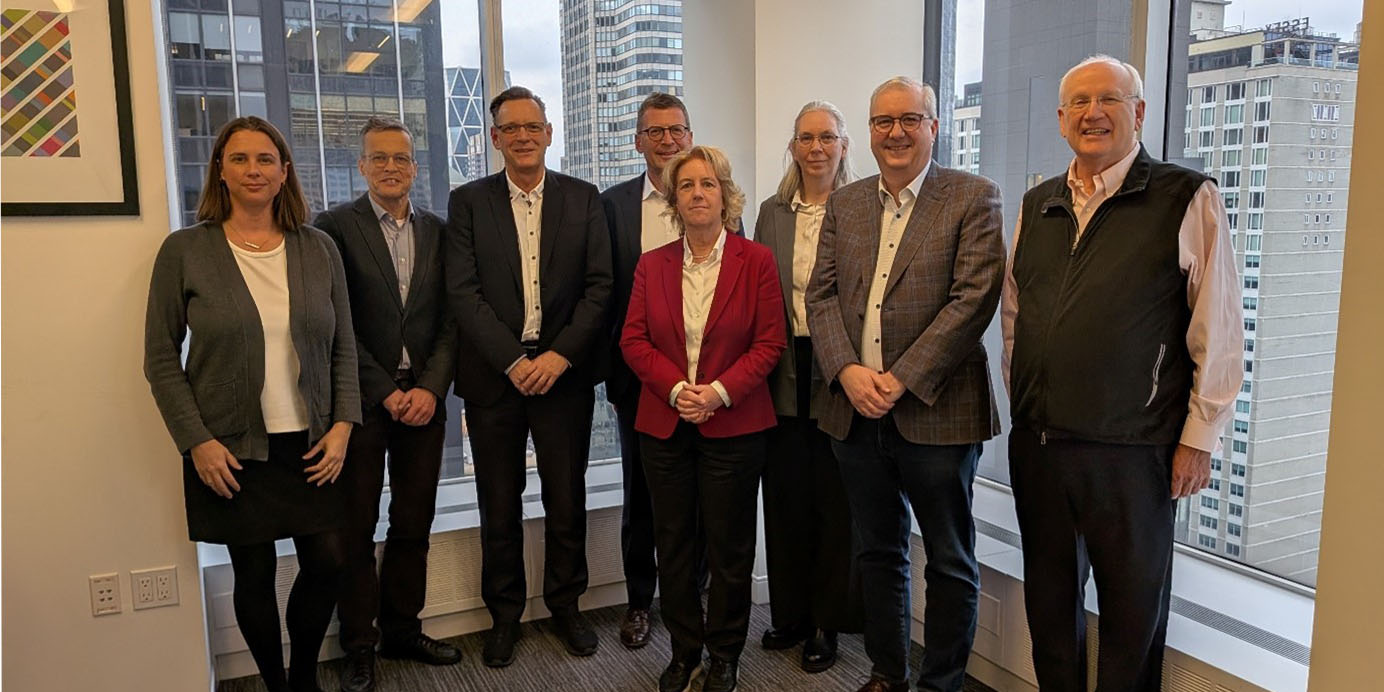
Foto: SaxoCell (SC) Delegation bei der Mark Foundation (MF) in New York. V.l.n.r.: Becky Bish (MF), Martin Bornhäuser (SC), Frank Buchholtz (SC), Lorenz Mayr (SC), Ulrike Köhl (SC), Maren Henneken (SC), Ryan Schoenfeld (MF) and Raymond N. DuBois (MF) | © SaxoCell 

German Stem Cell Network (GSCN)
Mentoring-Programm & Karriere-Workshop

Wohin soll dein Karriereweg in der Stammzellforschung führen? Das GSCN Mentoring-Programm [ENG] unterstützt junge Wissenschaftler*innen bis hin zur Nachwuchsgruppenleitung dabei, die nächsten Schritte zu planen. Über ein Jahr hinweg erhältst du persönliche Einblicke und Beratung von erfahrenen Stammzellforscher*innen, sowie Fachleuten aus Industrie, Kommunikation und Wissenschaftsmanagement. Eine ideale Gelegenheit, Perspektiven zu erweitern, Kontakte zu knüpfen und deinen eigenen Weg klarer zu definieren.

GSCN Karriere-Coaching für Promovierende und PostDocs

Welche Karriereschritte passen zu dir nach der Promotion? Dieser Karriere-Workshop [ENG] hilft dir, Antworten zu finden: durch Selbstanalyse, Einblicke in vielfältige Karriereoptionen und gezielte Kompetenzentwicklung. Erfahre, welche Stärken und Interessen dich auszeichnen, ob ein Postdoc der richtige Weg ist und welche Skills Arbeitgeber wirklich suchen. Zudem lernst du, wie du dein Profil überzeugend präsentierst.

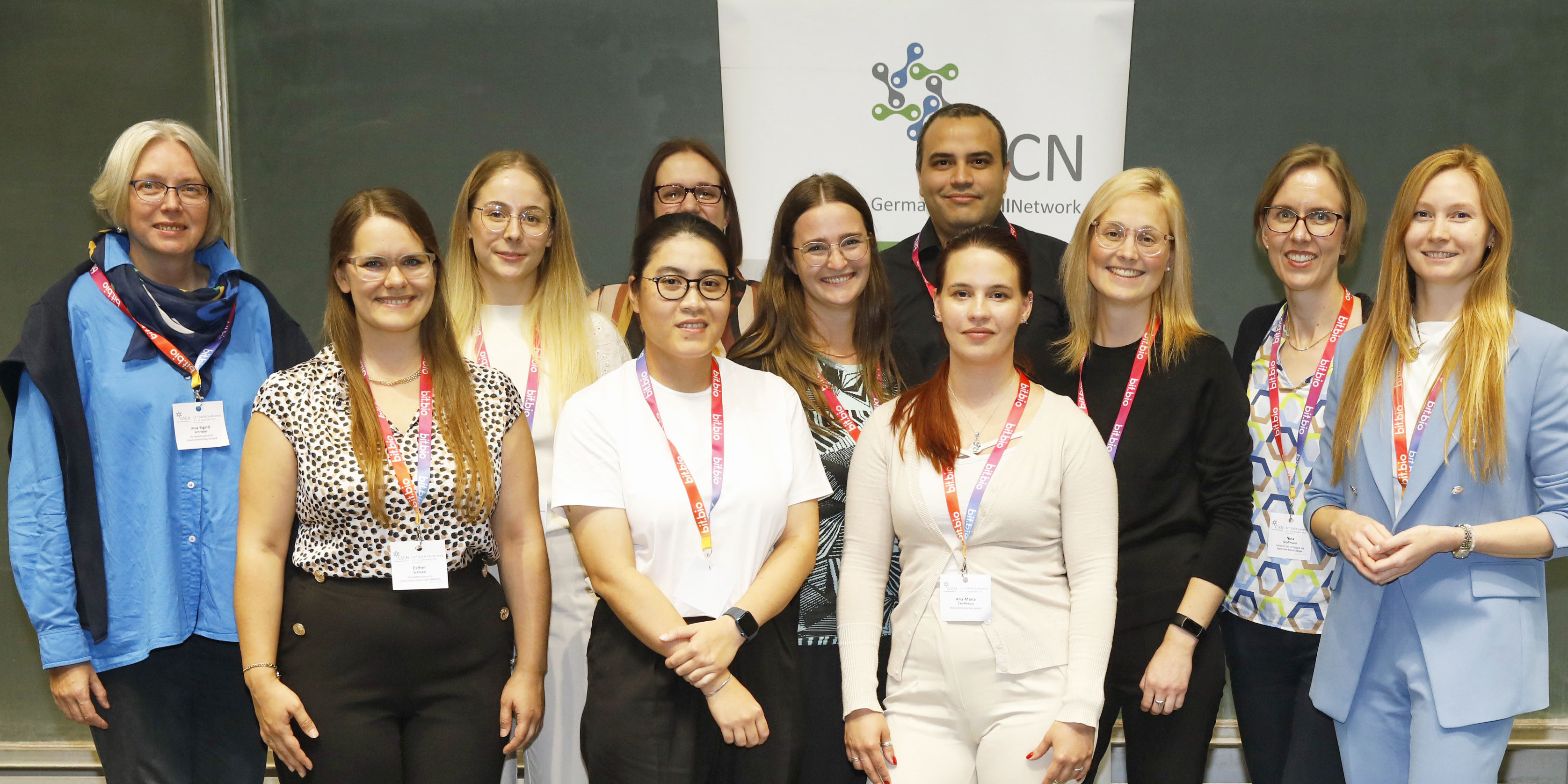
Foto: Mentees aus dem Jahr 2024 © GSCN | Arne Sattler

Werden Sie Teil der EuroGCT-Community! 

Das Europäisches Konsortium zur Vermittlung von Informationen über Gen‑ und Zelltherapien, kurz EuroGCT, stellt fundierte und leicht verständliche Informationen zu GCT in mehr als sieben Sprachen zur Verfügung. 

Das Team sucht stets ehrenamtliche Verstärkung bei der wissenschaftlichen Prüfung und Übersetzung neuer  Inhalte. Unterstützen Sie das Team beim Ausbau der Webseite! 

Lesenswertes

Stammzellforschung in Deutschland
Innovationspotenzial trifft auf regulatorische Grenzen

Die Stammzellforschung gilt als Schlüsseltechnologie für die Medizin der Zukunft – von regenerativen Therapien bis zu personalisierten Ansätzen. Der aktuelle Bericht des Deutschen Ärzteblatts zeigt jedoch: Trotz internationaler Fortschritte bremsen bestehende rechtliche Rahmenbedingungen die Umsetzung und klinische Translation in Deutschland. Für Forschende stellt sich die Frage, wie ethische Verantwortung und wissenschaftliche Innovation in Einklang gebracht werden können – ein Thema, das für die Zukunftsfähigkeit des Standortes und die internationale Wettbewerbsfähigkeit von zentraler Bedeutung ist.

Zum Online-Artikel

Stellenausschreibungen

Projekmanager*in für ATMP-Projekt

Wie bringt man Gen- und Zelltherapien schneller, sicherer und datenbasiert in die klinische Anwendung?  An der Charité arbeiten wir genau daran – und suchen dafür eine:n  Projektmanager:in für ein EU-gefördertes Projekt am Berlin Center for Advanced Therapies (BeCAT). 

Wir stellen ein: Projektmanager:in (m/w/d) im Forschungsmanagement 
EU-gefördertes ATMP-Projekt | Charité – Universitätsmedizin Berlin 

Zur Ausschreibung

Ihr Beitrag zum GCT-Newsletter

Ein bundesweiter Newsletter ist so relevant und divers wie die Community, die dazu beiträgt. Gerne berichten wir über Initiativen aus ganz Deutschland und verbreiten Ihre Neuigkeiten, Aktivitäten und Veranstaltungen. Kontaktieren Sie uns unter:

gct-news@bih-charite.de

Veranstaltungshinweise 

icon

28. Februar 2026

Tag der seltenen Erkrankungen 2026

Am 28. Februar, dem Tag der seltenen Erkrankungen, lädt Lünen zum Austausch über seltene rheumatische Krankheiten ein. Es erwarten Sie Vorträge von Mediziner:innen, Vorstellung von Selbsthilfe-Angeboten und die Möglichkeit, sich zu vernetzen – denn gemeinsam ist man stärker als allein.

Wann?

Samstag, 28. Februar 2026

11:00 Uhr - 16:00 Uhr 

Wo?

Ringhotel am Stadtpark

Kurt-Schumacher-Straße 43, 44532 Lünen

icon

11. - 13. März 2026

NK & ILC Symposium 2026

Treffen Sie führende Expertinnen und Experten der angeborenen Lymphozytenbiologie beim NK & ILC (Natural killer & Innate Lymphoid cells) Symposium, das erstmals gemeinsam von Spezialistinnen und Spezialisten für NK-Zellen, ILCs und γδ-T-Zellen veranstaltet wird. Das Symposium beleuchtet hochaktuelle Forschung von der Grundlagenwissenschaft bis zu klinischen Anwendungen bei Krebs und chronischen Infektionen. Das Programm umfasst internationale Keynotes, Vorträge und Posterpräsentationen mit Fokus auf der Entwicklung von Therapien der nächsten Generation.

Wann?

11.- 13. März, 2026


Wo?

Albert-Ludwigs-Universität Freiburg,
Fahnenbergplatz, 79085 Freiburg im Breisgau, Germany

 
icon

03. März 2026

Brustkrebs-Infotag 2026 

Am Brustkrebs-Infotag 2026 berichten Expertinnen und Experten des Brustzentrums am Klinikum der Ludwig-Maximilians-Universität (LMU) München sowie von Brustkrebs Deutschland e. V. über neue Entwicklungen in der Behandlung von Patientinnen mit frühem oder fortgeschrittenem Brustkrebs. Darüber hinaus geht es um den Umgang mit unerwünschten Begleiterscheinungen sowie um praktische Tipps zur Lebensführung. Ergänzt wird das Programm durch einen Vortrag von Privatdozentin Dr. Elisabeth Jentschke vom Universitätsklinikum Würzburg zum Thema „Fatigue – und was man dagegen tun kann“ sowie durch Dr. Tom Degenhardt von Outdoor against Cancer, der unter dem Motto „Bewegung trotz(t) Krebs“ alle Teilnehmenden in Bewegung bringen möchte. Die Teilnahme ist kostenlos. 

Wann?

Dienstag, 03. März 2026,
13:30-18:30 Uhr 


Wo?

Hörsaal III im Hörsaalzentrum des LMU Klinikums am Campus Großhadern 
Marchioninistraße 15
81377 München

 
icon

07. März 2026

2. Göttinger Krebspatientenkongress  

Beim 2. Göttinger Krebspatientenkongress sind sowohl verschiedene Vorträge zu aktuellen Entwicklungen in der Krebsmedizin als auch zu unterstützenden Maßnahmen aus den Bereichen komplementäre Medizin, Psychoonkologie, psychosoziale Unterstützung, Ernährung und Sport zu erwarten. Im Rahmen des Programms werden zudem persönliche Erfahrungsberichte von Betroffenen sowie Informationen zu ehrenamtlichen Selbsthilfetätigkeiten angeboten. Außerdem bietet der Kongress die Möglichkeit, sich mit anderen Betroffenen, Selbsthilfegruppen und Expert*innen auszutauschen. Die Teilnahme ist kostenlos. 

Wann?

Samstag, 7. März 2026,
10:00-15:30 Uhr  


Wo?

Tagungs- und Veranstaltungshaus Alte Mensa
Wilhelmsplatz 3
37073 Göttingen 

 
icon

11. - 12. März 2026

Empowering Patients 2026: Gipfeltreffen zu Zell- und Gentherapien

Patientinnen und Patienten, Angehörige, Interessenvertretungen, Forschende und Branchenvertreter sind zu diesem kostenlosen virtuellen Gipfeltreffen eingeladen, das neueste Erkenntnisse aus der Zell- und Gentherapie präsentiert. Behandelt werden GCT-Ansätze, Forschungsstrategien, regulatorische Entwicklungen sowie der Einfluss von Patientengemeinschaften auf die Zukunft dieser Therapien. Das Programm umfasst Fachvorträge, Fallstudien und praxisnahe Erkenntnisse zu Gentherapieansätzen, Zulassungswegen, N-of-1-Therapien und patientengetriebener Arzneimittelentwicklung.

Wann?

11. - 12. März 2026
9:00 Uhr - 12:00 Uhr


Wo?

Virtuelle Veranstaltung

 
icon

20. März 2026

Krebstag Westfalen 2026 - Öffentliche Patientenveranstaltung

Am Krebstag Westfalen 2026 werden innovative Behandlungsoptionen sowie therapiebegleitende Angebote zur Steigerung der Lebensqualität vorgestellt. Teilnehmende können sich auf informative Vorträge, zahlreiche Mitmachangebote sowie Infostände zu verschiedenen Aspekten der Pflege, Ernährungsmedizin und Selbsthilfe im Rahmen der Krebsbehandlung freuen. Zudem besteht die Möglichkeit, Expert*innen vor Ort Fragen zu stellen und sich bei Snacks und Getränken fachlich sowie in geselliger Atmosphäre auszutauschen. Die Teilnahme ist kostenfrei. 

Wann?

Freitag, 20. März 2026,
12.00–18.00 Uhr 


Wo?

Studienlabor 
Albert-Schweitzer-Straße 3–7 
48149 Münster 

 
icon

22. - 25. März 2026

52. Jahrestreffen der European Society for Blood and Marrow Transplantation

Der größte europäische Jahreskongress für hämatopoetische Zelltransplantation und zelluläre Therapien vereint mehr als 6000 medizinische Fachkräfte, Forschende und Expertinnen und Experten. Die Tagung bietet modernste wissenschaftliche Inhalte, Keynote-Vorträge, Präsentationen, Posterbeiträge und spezialisierte Programmstränge für Ärztinnen und Ärzte, Pflegekräfte, Datenmanager, Zelltherapeutinnen und -therapeuten sowie weitere Fachgruppen. Teilnahme vor Ort oder virtuell möglich.

Wann?

22. - 25. März 2026


Wo?

Ifema Madrid Congress Venue
Avenida Partenón 5, 28042 Madrid, Spain

 
icon

25. März 2026

1. BZKF-Patientenkongress: Leben mit und nach Krebs – Stärkung der Patientenbeteiligung aus verschiedenen Perspektiven 

Der 1. Patientenkongress des Bayerischen Zentrums für Krebsforschung (BZKF) findet sowohl vor Ort in Regensburg als auch online statt. Im Fokus steht die Unterstützung von Patient*innen während und nach einer Krebserkrankung, mit dem Ziel, Lebensqualität, Selbstbestimmung und gesellschaftliche Teilhabe zu stärken. Ziel ist es zudem, die Versorgung von Krebspatient*innen nachhaltig durch hochwertige Forschung, hohe Behandlungsqualität und eine starke Einbindung der Betroffenen zu verbessern. Die Teilnahme ist kostenlos. 

Wann?

Mittwoch, 25. März 2026,
15:30-18:30 Uhr 


Wo?

Online / Universitätsklinikum Regensburg, Großer Hörsaal (Haupteingang, 1.OG)
Franz-Josef-Strauß-Allee 11
93053 Regensburg 

 
icon

26. - 29. März 2026

Die Genschere - Öffentliche Wissenschaftsveranstaltung

Die CRISPR Roadshow vermittelt der Öffentlichkeit Genscheren-Technologie in einem viertägigen Wissenschaftskommunikationsformat. Das Programm umfasst Fachvorträge zu Gehirnentwicklung und Gentherapie, praktische Laborkurse zur Bearbeitung bakterieller Gene mit CRISPR-Cas, Laborführungen, ein Science-Café sowie eine Theateraufführung. Alle Veranstaltungen sind kostenlos und richten sich an die breite Öffentlichkeit ohne Vorkenntnisse. Gefördert von der Deutschen Forschungsgemeinschaft und Roche.

Wann?

26. - 29. März 2026


Wo?

Dresden, Deutschland

 
icon

27. März 2026

German Stem Cell Network Career Workshop

Das Deutsche Stammzellnetzwerk (GSCN) bietet einen eintägigen Karriereworkshop für Forschende während oder nach der Promotion an. Thematisiert werden Berufsorientierung durch Selbstanalyse, Karriereoptionen außerhalb der Wissenschaft sowie Strategien zur Kompetenzentwicklung. Teilnehmende lernen, Interessen, Werte und Fähigkeiten zu identifizieren, Karrierewege für Naturwissenschaftler zu verstehen und ihre Qualifikationen mit Arbeitgeberanforderungen abzugleichen. Umfangreiche Unterlagen werden zur späteren Nutzung bereitgestellt. Teilnahmegebühr 50 Euro für GSCN-Mitglieder und 80 Euro für Nichtmitglieder.

Wann?

27. März 2026


Wo?

Rahel Hirsch Center Charité
Luisenstr. 65
10117 Berlin, Germany

 
icon

14. - 17. April 2026

ESGCT Spring School

Die European Society of Gene and Cell Therapy (ESGCT) veranstaltet ein dreitägiges Trainingsprogramm, das Studierende und führende Fachleute der Zell- und Gentherapie zusammenbringt. Das Programm umfasst Fachvorträge, praktische Workshops und Networking-Formate mit Expertinnen und Experten. Für studentische ESGCT-Mitglieder ist die Teilnahme kostenlos, Reise und Unterkunft werden selbst organisiert. Teilnahmeberechtigt sind Studierende ohne vorherige Spring-School-Teilnahme, maximal sechs Plätze pro Institut.

Wann?

14. - 17. April 2026


Wo?

Vila Gale Coimbra
Rua Abel Dias Urbano, 20
3000-001 Coimbra
Portugal

 
banner
icon

19. April 2026

12. Hamburger Myelomsymposium - Patiententag 

Auf dem 12. Hamburger Myelomsymposium – Patiententag treffen Sie auf bekannte und geschätzte Referent:innen, um praxisrelevante wissenschaftliche Neuigkeiten zum Multiplen Myelom zu diskutieren. Der Sonntagmorgen ist dabei den Patient:innen gewidmet und bietet Raum für einen intensiven und individuellen Austausch mit den Referent:innen. Die Teilnahme ist kostenfrei. 

Wann?

Sonntag, 19. April 2026,
09:00 - 12:30 Uhr 


Wo?

Asklepios Klinik Altona 
Carl-Bruck-Hörsaal Paul-Ehrlich-Str. 1 
22763 Hamburg 

 
icon

21. - 23. April 2026

DMEA - Fachmesse Digital Health

Europas Leitveranstaltung für Digital Health bringt Ausstellende, Gesundheitsfachkräfte, Start-ups und Innovationsführer zusammen. Die Digital Medical Expertise & Applications (DMEA) bietet ein umfassendes Programm zu aktuellen Entwicklungen der digitalen Medizin, von jungen Unternehmen bis zu etablierten Lösungen, sowie zahlreiche Möglichkeiten für Vernetzung, Wissensaustausch und Einblicke in modernste Gesundheitstechnologien.

Wann?

21. - 23. April 2026


Wo?

Messe Berlin ExpoCenter City
Messedamm 22, 14055 Berlin, Germany

 
icon

21. - 22. April 2026

Deutsche Biotechnologietage 2026 Leipzig

Die Deutschen Biotechnologietage vereinen Unternehmer, Wissenschaftler, politische Akteure, Investoren und Förderinstitutionen. Siebzehn Sessions decken das gesamte Spektrum biotechnologischer Themen ab, von Zell- und Gentherapie über Antibiotikaresistenz und Metabolomik bis hin zu nachhaltiger Landwirtschaft, synthetischer Biologie, Finanzierung und Geopolitik. Das Programm umfasst Partnering-Formate, Networking, Industrieausstellung und englischsprachige Fachbeiträge.

Wann?

21. - 22. April 2026


Wo?

KONGRESSHALLE am Zoo Leipzig
Pfaffendorfer Straße 31, 04105 Leipzig, Germany

 
icon

27. - 30. April 2026

Bioprocess International - Bioprozess-Konferenz

Diese Konferenz und Fachmesse präsentiert modernste Wissenschaft, Strategien und digitale Werkzeuge zur Entwicklung von Antikörpern, Biologika und ATMPs vom Molekül bis zum Markt. Das Programm umfasst fünf Themenstränge zu Zelllinienentwicklung, Upstream- und Downstream-Processing, ATMP-Produktion sowie digitaler Bioproduktion und vier Vorkonferenz-Workshops. Forschende, Innovatoren und Branchenführer treffen sich zum Austausch und Networking in einer interaktiven Ausstellung.

Wann?

27. - 30. April 2026


Wo?

Vienna Congress & Convention Center
Messeplatz 1, A- 1021 Vienna

 
icon

06. - 09. Mai 2026

International Society for Cell & Gene Therapy Jahrestagung

Die globale Konferenz zur Translation von Zell- und Gentherapien bietet hochaktuelle Weiterbildung und richtungsweisende Diskussionen mit Wissenschaftlern, Klinikern, Laborfachkräften, Industrievertretern und internationalen Regulierungsbehörden. Das Programm umfasst Roundtables, Translational-Tracks, Lab-Praxisformate, Abstract-Präsentationen und Industriesessions. Networking-Möglichkeiten beinhalten Posterbereiche, eine Ausstellung mit über 175 Ausstellern, ein Gala-Dinner und den jährlichen ISCT-5-Kilometer-Lauf.

Wann?

06. - 09. Mai 2026


Wo?

The Convention Centre Dublin,
Spencer Dock, N Wall Quay
North Wall, Dublin 1, D01 T1W6, Ireland

 
icon

11. - 15. Mai 2026

American Society of Gene & Cell Therapy Jahrestagung

Die Jahrestagung bringt Forschende, Kliniker, Biotech-Entwickler und Patientenvertretungen zu mehr als 250 Stunden Programm mit Spitzenforschung zur Zell- und Gentherapie zusammen. Enthalten sind Keynotes, thematische Sessions, Workshops, Abstract-Präsentationen, Networking-Empfänge und eine Fachausstellung. Teilnahme vor Ort oder online möglich.

Wann?

11. - 15. Mai 2026


Wo?

Thomas Michael Menino Convention & Exhibition Center
415 Summer St, Boston, MA 02210, USA

 
icon

18. - 19. Mai 2026

Joint ForTra-BIH Workshop für Gen- und Zelltherapie

Der Workshop wird von ForTra gGmbH für Forschungstransfer der Else Kröner-Fresenius-Stiftung und dem SPARK-BIH-Team der Nationalen Strategie für Gen- und Zelltherapie organisiert. Er behandelt den aktuellen Stand und die zukünftige Entwicklung des Fachgebiets und richtet sich an translationale Forschende mit Fokus auf klinische Anwendung. Teilnahme kostenfrei bei vorheriger Registrierung.

Wann?

18. - 19. Mai 2026


Wo?

Frankfurt am Main, Deutschland

 
banner
icon

02. - 03. Juni 2026

SaxoCell-Konferenz

Die erste SaxoCell Konferenz bringt mehr als 150 Teilnehmende aus Wissenschaft, Klinik und Industrie zusammen, um Fortschritte der Zell- und Gentherapie zu diskutieren. Vier wissenschaftliche Sessions behandeln Onkologie, Autoimmunität und Degeneration, Delivery-Technologien und Gen-Engineering sowie Herausforderungen der klinischen Translation und Finanzierung. Weitere Programmpunkte sind Keynote-Dinner, Posterpreise, Pitch-Sessions für Start-ups, Paneldiskussionen und Ausstellungsflächen.

Wann?

02. - 03. Juni 2026


Wo?

Penck Hotel Dresden
Ostra-Allee 33 01067 Dresden, Germany

 
icon

08. - 12. Juni 2026

Superreturn Private-Equity-Konferenz

Dieses internationale Event für Private Equity und Private Capital versammelt über 6000 Entscheidungsträger, darunter mehr als 2000 institutionelle Investoren mit zusammen 50 Billionen Dollar verwaltetem Vermögen sowie führende Fondsmanager. Das fünftägige Programm umfasst über 500 Sprecher und thematische Gipfeltage zu Bereichen wie Private Debt, Sportinvestments, Energiewende, KI und Technologie, deutscher PE-Markt, Mid-Market, Secondaries und Private Wealth. Über Networking-Plattformen werden mehr als 150.000 Meetings organisiert. Ergänzt wird das Programm durch exklusive Inhalte, geschlossene Diskussionsrunden und Networking-Events.

Wann?

08. - 12. Juni 2026


Wo?

InterContinental Hotel Berlin
Budapester Strasse 2, 10787 Berlin, Germany

 
banner
icon

09. Juni 2026

GeneNovate® Investors' Day

Dieses Networking-Event bringt Start-ups, fortgeschrittene akademische Projekte, Investoren sowie Expertinnen und Experten aus Wissenschaft, Industrie und Politik im Bereich Zell- und Gentherapien zusammen. Ausgewählte Teilnehmende präsentieren ihre Innovationen in Pitch-Sessions vor internationalen Investoren und Branchenvertretern. Panels behandeln Themen wie Wertschöpfungsketten, Investitionsbesonderheiten und internationale Best Practices. Die Veranstaltung schafft Raum für persönlichen Austausch und die Entdeckung vielversprechender Investitionsmöglichkeiten.

Wann?

09. Juni 2026


Wo?

Futurium
Alexanderufer 2, 10117 Berlin, Germany

 
banner
icon

09. - 11. Juni 2026

bio:cap Life Science & AI Investival Berlin

Das BIH, die Charité, die Messe Berlin und das Hasso-Plattner-Institut starten ein neues Veranstaltungsformat: bio:cap. Das Life-Science- und KI-Investival bringt internationale Investorinnen und Investoren mit Start-ups, Forschenden und politischen Entscheidungsträgern zusammen. Die Premiere findet vom 9. bis 11. Juni 2026 in Berlin statt

Wann?

09. - 11. Juni 2026


Wo?

City Cube
Messedamm 26, 14055 Berlin

 
icon

23. - 24. Juni 2026

International Symposium "Synthetic Immunology / Synthetic Biology"

Das Leibniz-Institut für Immuntherapie in Regensburg lädt am 23. und 24. Juni ein zum Internationalen LIT Symposium 2026. Unter dem Titel „Synthetic Immunology / Synthetic Biology“ treffen sich international hochrangige Experten der Zell- und Gentherapie, um die neuesten Entwicklungen auf dem Gebiet der Immuntherapie zu diskutieren.

Wann?

Dienstag – Mittwoch 23.-24. Juni 2026
9:00 Uhr – 17:30 Uhr


Wo?

Haus der Bayerischen Geschichte
Donaumarkt 1, 93047 Regensberg

 
icon

15. - 18. Juni 2026

HLTH Gesundheitsinnovationsforum

Europas führendes Event für Healthcare-Innovation, das mehr als 5.000 Führungskräfte und Innovatoren aus dem gesamten Gesundheitsökosystem zusammenbringt. Da jeder dritte Teilnehmer auf C-Suite-Ebene vertreten ist, deckt die Veranstaltung Themen von Digital Health und KI bis hin zu Pharma und Life Sciences ab.

Wann?

15. - 18. Juni 2026


Wo?

RAI Convention Centre, Amsterdam

 
icon

17. Juni 2026

Sächsische Innovationskonferenz

Die Sächsische Innovationskonferenz zeigt, wie Sachsen zukünftige Herausforderungen als Wissenschafts- und Deep-Tech-Standort adressiert. Das Programm umfasst inspirierende Keynotes, aktuelle Trends und konkrete Lösungen für nachhaltige Transformation. Mehr als 100 Referierende diskutieren auf mehreren Bühnen und bringen das gesamte Innovationsökosystem zusammen, darunter Start-ups, Transferinitiativen, Unternehmen, Investoren, Nachwuchsinnovatoren und Politik. Teilnehmende des Sächsischen Gründerpreises 2026 präsentieren ihre Ideen. Enthalten ist auch die Preisverleihung des Sächsischen Staatspreises für Unternehmertum. Eintritt frei ohne Catering und Parken.

Wann?

17. Juni 2026
10:00 Uhr - 22:00 Uhr


Wo?

Messe Dresden
Messering 6, 01067 Dresden, Germany

 
icon

22. - 25. Juni 2026

BIO International Convention 2026

Dieses globale Biotechnologie-Event vereint die Branche unter dem Motto „Driven by Purpose“. Die Konferenz bietet Fachprogramme, Firmenpräsentationen, das Start-Up Stadium, BIO Partnering-Formate zur Vernetzung von Unternehmen und Investoren, einen Academic Campus, eine große Ausstellung und vielfältige Networking-Möglichkeiten. Ziel ist die Stärkung der internationalen Zusammenarbeit zur Verbesserung von Lebensqualität durch biotechnologische Innovation. Teilnehmende sind Branchenführer, Investoren, Forschende und Stakeholder aus dem gesamten Biotechnologiesektor.

Wann?

22. - 25. Juni 2026


Wo?

San Diego Convention Center
111 Harbor Dr, San Diego, CA 92101

 
icon

23.-24. Juni  2026

Internationales LIT Symposium “Synthetische Immunologie/Synthetische Biologie” 

Das Leibniz-Institut für Immuntherapie in Regensburg veranstaltet am 23. und 24. Juni 2026 das Internationale LIT-Symposium 2026. Unter dem Titel „Synthetic Immunology / Synthetic Biology“ treffen sich international renommierte Expertinnen und Experten aus der Zell- und Gentherapie, um die neuesten Entwicklungen im Bereich der Immuntherapie zu diskutieren.

Wann?

23.-24. Juni 2026
9:00  - 17:30 Uhr


Wo?

Haus der Bayerischen Geschichte
Donaumarkt 1, 93047 Regensberg

 
banner
icon

25. Juni 2026

GeneNovate® Final Event München

Die Abschlussveranstaltung des GeneNovate® Entrepreneurship Programms bringt alle Teilnehmenden, Alumni, Expertinnen und Experten sowie Mentorinnen und Mentoren aus den neun regionalen Standorten Deutschlands zusammen. Ausgewählte Teams präsentieren ihre Start-up-Pitches vor Investoren und knüpfen Kontakte zu potenziellen Förderern. Panels mit Branchenexpertinnen und Investoren beleuchten zentrale Themen der Zell- und Gentherapie. Zudem gibt es eine öffentliche Networking-Session für das Ökosystem mit vorheriger Anmeldung.

Wann?

25. Juni 2026


Wo?

Residenz München
Residenzstraße 1, 80333 Munich, Germany

 
icon

30. Juni - 01. Juli 2026

BayOConnect Biotech-Netzwerkforum

BayOConnect vereint Akteure der bayerischen Biotechnologiebranche sowie internationale Teilnehmende aus Wissenschaft, Industrie und Start-up-Szene. Die Plattform vernetzt visionäre Köpfe, innovative Unternehmen und Life-Science-Fachleute, um Fortschritte in Medizin und Gesundheitsbiotechnologie zu beschleunigen. Geboten werden Networking-Möglichkeiten, Einblicke in aktuelle Trends und Chancen zur Initiierung neuer Kooperationen und Projekte.

Wann?

30. Juni . 01. Juli 2026


Wo?

Design Offices München Macherei,
Munich. Germany

 
icon

08. - 11. Juni 2026

International Society for Stem Cell Research Jahrestagung

Forschende aus der Stammzellwissenschaft weltweit treffen sich zur Jahrestagung der International Society for Stem Cell Research (ISSCR). Diese globale Veranstaltung vereint führende Expertinnen und Experten der Stammzellforschung und regenerativen Medizin. Der wissenschaftliche Fokus liegt auf fünf Schwerpunkten: klinische Anwendungen, Entwicklungsprozesse, Krankheitsmodellierung, Bioengineering und somatische Stammzellen.

Wann?

08. - 11. Juni 2026


Wo?

Palais des congres de Montreal, Canada

 
icon

2026

09.-11. Sept

German Stem Cell Network - Jahreskonferenz 

Zur Webseite [EN]

icon

2026

15. Sept

Innovation & Equity Summit in Life Science

Zur Webseite [EN]

icon

2026

18. - 20. Sept

Nationale Konferenz Patienten als Partner der Krebsforschung

Zur Veranstaltung

icon

2026

23. - 27. Okt

European Society for Medical Oncology Jahrestagung

Zur Webseite [EN]

icon

2026

27. - 30. Okt

European Society of Gene & Cell Therapy Jahrestagung

Zur Veranstaltung [EN]

icon

2026

03.-05. Nov

BIO Europe - Biopharmazeutisches Partnering-Event

Zur Veranstaltung [EN]

logo center
banner
 

Dear Readers,

Tomorrow’s Rare Disease Day shines a spotlight each year on millions of people whose conditions often remain undiagnosed for years. In Europe, around 30 million people are affected; in Germany, the estimate is approximately 4 million. About 75% of the more than 7,000 known rare diseases are genetic in origin. On average, it takes 4–5 years for patients to receive a correct diagnosis.

This is where gene and cell therapies can unlock their transformative potential: by targeting the molecular root, correcting defective genes or replacing damaged cells – with the prospect of a  one-time, long-lasting treatment instead of lifelong symptom management. To ensure that these innovative therapies reach patients, coordinated framework conditions are essential. The National Strategy for Gene and Cell Therapies is a key part of the solution: it strengthens research, training, and networking, thereby accelerating the transfer into clinical practice. For people living with rare diseases, this means one thing above all: new hope.

In this issue, you will learn about the growth of our entrepreneurship program GeneNovate, gain an overview of progress within the National Strategy GCT, and read about registry development and patient involvement. We also present our newly published GCT dossier and report on new developments in project and individual funding. In addition to updates from the regulatory landscape, we have compiled an information package for patients and would like to draw your attention to the 10th Rare Disease Symposium hosted by the Eva Luise and Horst Köhler Foundation. The newsletter also features a podcast on novel CAR-T cells, news from our partner network and the German GCT community, as well as numerous event announcements and job opportunities.

We hope you enjoy reading and sharing this issue.
Elke Luger and the team of the National Network Office GCT Germany

Photo: © Adobe Stock #320955605

On our own behalf

GeneNovate® 2026
New Regions and Formats

In December 2025, the GeneNovate® entrepreneurship program entered its third round. Around 195 researchers from academia and clinical practice are now participating across nine regions throughout Germany. New partner institutions have joined in the regions NRW I (Aachen, Bonn, Cologne, Düsseldorf), NRW II (Essen), and the Southwest region (Freiburg / Tübingen).

This year, the program follows a hybrid approach: the six theoretical sessions will now be streamed nationwide simultaneously. This allows teams to dedicate more time during the in-person workshops to directly apply their newly acquired knowledge to their projects. They will be supported by experts in regulatory affairs, industry, intellectual property, and related fields. The most promising projects from each region will have the opportunity to pitch at the Final Event in Munich (June 25, 2026) before an experienced jury of investors and business angels.

Photo: Winning teams of the Final Event 2025 in Berlin © NWB | Arne Sattler

banner

GeneNovate® in VentureCapital Magazine

VentureCapital Magazine explores what makes spin-offs successful. In the healthcare and biotech sector, however, the landscape is particularly complex. Such a multifaceted ecosystem requires highly specialized approaches.

Ingo Schroeter and Elke Luger, the driving forces behind GeneNovate®, discuss the specific challenges of the healthcare market and explain how the program represents a promising part of the solution.

Read the e-paper (from page 48) [German only]

banner

Register Now: GeneNovate® Final Event Munich

On June 25, 2026, the GeneNovate® Final Event will take place at the prestigious Munich Residence (Residenz München). This special event will feature exciting pitches from our GeneNovate teams and provide valuable insights from investors, startups, regulatory experts, and representatives of the pharmaceutical industry.

In addition, you will have the opportunity to learn more about sponsorship options and to network extensively with leading industry representatives, experts, and innovators.

Register here

Consolidating and Sharing Knowledge
Additional Databases in the Field of GCT / ATMP

Across Europe, in addition to the GCT Germany Network Office, there are several other platforms and organizations that provide information on gene and cell-based therapies (GCT) and advanced therapy medicinal products (ATMPs) through interactive online maps. We have compiled and linked these resources for you on the GCT Atlas website.

These include stem cell registries, treatment centers for advanced therapies—particularly in the field of rare diseases—specialized manufacturing facilities for ATMPs, as well as biobanks that create an essential foundation for research and clinical application by collecting and providing biological samples. The overview will be continuously updated.

Visit the website

Graphic: © NWB

RegMed Forum 2026
It’s (Also) Up to Us!

As co-host of this year’s RegMed Forum, the Network Office looks back with great enthusiasm on an inspiring and forward-looking event. The focus was on the clinical translation of innovative therapeutic approaches, particularly gene and cell therapies. The clear message: together, we can significantly accelerate the path from research to patient care.

The discussions vividly demonstrated the dynamic, expertise, and determination within our ecosystem. Strong networks, reliable framework conditions, sustainable funding, and a stronger entrepreneurial mindset in academia are key for success. The momentum is tangible — now is the time to harness it decisively and turn innovation into benefits for patients.

Visit event page

Photo: © NWB

Updates from the Strategy

Strategy Progress at a Glance

Since the launch of the new GCT website in July 2025, a dedicated progress monitoring has been providing a transparent and structured overview of the implementation status of the National Strategy GCT. It maps individual measures as well as accompanying activities and reflects how the strategy is being continuously advanced. In this way, the significant progress achieved through the engagement of all stakeholders becomes clearly visible.

Access the Progress Monitoring

Graphic: © Pixabay | David Jones

National Gene and Cell Therapy Registry Established in Germany

On 30 June 2025, the National Gene and Cell Therapy Registry Germany (nGCT-R) was founded and officially registered in December. It is supported by leading medical societies and research institutions. The aim is to record gene and cell therapies in a central digital database. This allows treatment experiences to be collected and analysed, helping to increase patient safety, improve quality of care, and generate new medical insights. In the future, the registry is expected to be expanded to include additional medical fields.

Read the press release [German only]
Visit the Website [German only]

Photo: © Adobe Stock #156632152

banner

Patient Involvement in the National Strategy
Voices That Transform Care

The National Strategy GCT places special emphasis on incorporating the patient perspective—from the very beginning and throughout the entire development process. Why is patient involvement so crucial? What does meaningful participation require? And what expectations do patient representatives have of the strategy?

We spoke with Nadine Großmann about these questions. She is Deputy Chair of FOP e.V., a patient organization for individuals living with the rare genetic disease Fibrodysplasia Ossificans Progressiva (FOP), and Chair of the Board of Directors of the International FOP Association in the United States. In her role as a patient representative, she actively contributes to shaping the strategy.

Read the interview  [Germany only]

Photo: Private

New GCT Dossier
Gene and Cell Therapies Explained

Within Working Group 8 (Interaction with Society) of the National GCT Strategy, a subgroup on information preparation has been established. Its goal is to present GCT-related content in a structured, accessible, and target group–specific manner, thereby strengthening sustainable knowledge transfer between science, media, policymakers, and society.

The result is a concise and easy-to-understand briefing document that provides journalists, policymakers, and other stakeholders with well-founded information on gene and cell therapies (GCT). Additional formats such as flyers and scrollytelling features are currently being developed. An even more accessible version of the dossier, tailored specifically to lay audiences, is also in preparation.

Read the dossier [German only]

Graphic: © Adobe Stock #64237631345

CME Live Talk
GCT– Practical Applications for General Practice

Gene and cell therapies are transforming patient care – including in general practice. The CME training course “Gen- und Zelltherapie kompakt” on February 24, 2026, provided practical insights on what matters now: identifying suitable patients, making targeted referrals, and providing long-term support for innovative therapies.

In collaboration with the National Strategy for Gene- and Cell-Based Therapies and the German Society for Gene Therapy (Deutsche Gesellschaft für Gentherapie e.V.), and under the leadership of Prof. Annette Grüters-Kieslich (Eva Luise and Horst Köhler Foundation), the program presented current applications, especially for rare diseases, as well as concrete recommendations for clinical practice.

The target audience for the event is physicians, and the recording is available on demand.

Watch the training course [German only]

Early career support with impact
Two nTTP-GCT Fellows demonstrate how translation can succeed

Successful publications and follow-up funding are considered key steps in a scientific career. Two fellows of the national Translational Tandem Program for Gene- and Cell-based Therapies (nTTP-GCT) have achieved exactly that within their first year of funding:

banner

Dr. Lucie Loyal..

...a Translational Scientist, who conducts research at the BIH in Berlin, presents her research and scientific goals for her recently awarded grant by the Else Kröner-Fresenius-Stiftung (EKFS), which builds on her nTTP-GCT project [German only], in this article.

Photo: Private

banner

Dr. Shady Sayed...

...from the Faculty of Medicine Carl Gustav Carus Dresden talks about his successes and future career plans in an interview. Find out here what research questions drive the Translational Scientist, what decisions have shaped him, and what role the nTTP-GCT personal funding program has played.

Photo: Private

SPARK-BIH GCT Brings Projects, Expertise and Industry Together

The SPARK-BIH National GCT team, in collaboration with ForTra, is organizing a two-day workshop in Frankfurt on May 18–19, 2026, that brings together funded project teams, key stakeholders of the National Strategy, and GCT experts.

Registration will open here

In parallel, SPARK-BIH projects were reviewed by two international venture capital capital investors, providing industry-driven feedback on scientific, clinical, and commercial readiness. Our webinar series will also be continued in 2026. In upcoming sessions, the topic of company development in biotech (T-knife) will be addressed on March 19, and the topic of FDA approval successes in rare diseases (Fondazione Telethon) on April 30.

Registration Webinar “Company Development” 
Registration Webinar “Orphan Drug Approval / Rare Diseases” 

Graphic: © SPARK-BIH

New whitepaper highlights Europe’s potential in the development of innovative therapies

The Oslo Cancer Cluster, in collaboration with the Berlin Center for Gene and Cell Therapies (BC GCT), has published a new whitepaper entitled “Bridging the Gaps: Unlocking the Future of Advanced Therapies in Europe via Novel Alliances.” The paper outlines key structural challenges facing Europe’s biotech and therapy landscape, ranging from fragmented research and insufficient funding to limited manufacturing capacity and cultural differences between academia and industry. At the same time, it highlights how coordinated research hubs, public–private partnerships, modern manufacturing technologies, and closer collaboration can help overcome these barriers and accelerate the translation of innovation into patient care.

Read the Whitepaper

Photo: © BIH

Regulatory Radar

banner

The Regulatory Support Unit (RSU) of the National GCT Strategy reports on current regulatory developments.

Orphan Drug Designation
More Than Market Exclusivity 

With Rare Disease Day approaching, Orphan Drug Designation (ODD) remains a key regulatory tool for advancing therapies for rare conditions. While often associated with 10 years of EU market exclusivity, ODD can also offer important benefits much earlier in development. These include up to 100% fee reductions for protocol assistance from the EMA, supporting the design of development plans for small patient populations often with unmet needs. ODD can help shape a clear regulatory strategy from the outset, often accelerating the path to the clinic. The RSU can support teams in assessing eligibility and preparing ODD applications, reach out if you have questions: reg-support@bih-charite.de 

Further information can be found on the EMA ODD webpage 

European Biotech Act
New EU Regulatory Framework Proposed 

The European Commission published the European Biotech Act in December 2025, proposing measures to reduce regulatory fragmentation, accelerate clinical development and market access, and improve coordination across Member States. With a focus on advanced and innovative therapies across the product development lifecycle, the Act is of relevance for Gene and Cell Therapies (GCTs). The full text is available online

For Patients

EuroGCT: Knowledge from Across Europe

The European consortium for the communication of information on gene and cell therapies (EuroGCT) provides well-founded and easy-to-understand information on GCT in more than seven languages.

On the website, you will find a dedicated focus page with comprehensive content on rare diseases, including the latest developments, registries, and detailed explanations of therapeutic methods (CAR T cells).

Visit the EuroGCT website

SE-ATLAS: Care Atlas for People with Rare Diseases

The SE-ATLAS provides an overview of care facilities and patient organizations for people with rare diseases in Germany.

The atlas is aimed equally at affected individuals, relatives, physicians, non-medical personnel, and interested members of the public.

Visit the SE-ATLAS
banner
icon

April 17, 2026

10th Rare Disease Symposium & 18th Eva Luise Köhler Research Award

The Eva Luise and Horst Köhler Foundation invites experts and stakeholders to discuss breaking down barriers and creating connected systems for people with rare diseases. Under the theme "Breaking Boundaries: Uniting People, Knowledge and Systems in Rare Diseases," the symposium features international speakers addressing data integration, interdisciplinary collaboration, precision medicine approaches, and digital health data spaces. Topics include genomics collaboration models, European Reference Networks, and the ethics of undiagnosed lives in rare disease research. The event is accredited with 7 CME points by the Berlin Medical Association.

When?

Friday, April 17, 2026
8:30 a.m. - 5:00 p.m.


Where?

KARL STORZ Besucher- und Schulungszentrum
Scharnhorststraße 3, 10115 Berlin, Germany


Podcast “Wirkstoffradio”
CAR T-Cell Targeting with Dr. Markus Barden

Bernd Rupp from the podcast “Wirkstoffradio” talks to Dr. Markus Barden from the Leibniz Institute for Immunotherapy  in Regensburg. Barden conducts research in the field of genetic immunotherapy  and describes the development of CAR T-cell technology from the first generation to the current fourth-generation constructs, known as TRUCKs. These are being developed at the LIT and transferred to clinical application. TRUCKs can not only recognize and eliminate tumor cells, but also release cytokines to recruit additional immune cells that support the fight against cancer.
Don't miss this insightful conversation full of the latest scientific findings and potential breakthroughs in immunotherapy.

Listen to the podcast episode [German only]

Photo: Dr. Markus Baden | © Wirkstoffradio

Dual Attack on Malignant B Cells

Researchers at the Max Delbrück Center are developing an innovative immunotherapy for multiple myeloma, a cancer of the bone marrow.

The new method uses CAR T cells that recognize cancer cells in two different ways simultaneously. This enables more effective targeting of tumor cells that respond only partially to existing therapies.

Read the online article

Heidelberg University Hospital Authorized to Manufacture CAR T Cells

Heidelberg University Hospital (UKHD) has become the first academic institution in Germany to receive a hospital exemption authorization from the Paul Ehrlich Institute (PEI) for the manufacture and clinical use of an innovative cell therapy for the treatment of blood cancer.

“Heidagen-lecleucel” is based on genetically modified autologous immune cells (CAR T cells) and is intended for patients with chronic lymphocytic leukemia (CLL) for whom established therapies are no longer effective. Treatment of the first patients is scheduled to begin in 2026.

Read the press release [German only]

News from our partner networks

banner

SaxoCell
German-American Alliance for Gene and Cell Therapy

The SaxoCell e.V. Cluster of Excellence is expanding its international network: As part of the SMAC-GT project funded by the German Federal Ministry of Research, Technology and Space (BMFTR), a strategic cooperation has been launched with the renowned Mark Foundation for Cancer Research in New York. The aim is to advance the development of modern gene and cell therapies and to sustainably strengthen transatlantic research networks. The initiative was launched with a high-level workshop in New York. Further joint symposia, conferences, and exchange formats in Germany and the United States are already being planned.

Read the press release 

Photo: © SaxoCell | SaxoCell (SC) delegation at the Mark Foundation (MF) in New York. From left to right: Becky Bish (MF), Martin Bornhäuser (SC), Frank Buchholtz (SC), Lorenz Mayr (SC), Ulrike Köhl (SC), Maren Henneken (SC), Ryan Schoenfeld (MF), and Raymond N. DuBois (MF).

banner

German Stem Cell Network (GSCN)
Mentoring Program & Career Workshop

Where would you like your career path in stem cell research to lead? The GSCN Mentoring Program supports early-career researchers up to the level of junior research group leaders in planning their next steps. Over the course of one year, you will receive personal insights and guidance from experienced stem cell researchers as well as professionals from industry, science communication, and research management. An ideal opportunity to broaden your perspectives, build networks, and define your own path more clearly.

GSCN Career Coaching for PhD Candidates and Postdocs

Which career steps are right for you after completing your PhD? This Career Workshop helps you find answers through self-assessment, insights into diverse career options, and targeted skills development. Discover your strengths and interests, explore whether a postdoc is the right path for you, and learn which skills employers are truly looking for. You will also gain practical advice on how to present your profile convincingly.

Photo: © GSCN | Arne Sattler

Become Part of the EuroGCT Community!

The European Consortium for Communicating Gene and Cell Therapy Information (EuroGCT) provides well-founded and easy-to-understand information on GCT in more than seven languages.

The team is always looking for volunteer support in the scientific review and translation of new content. Support the team in further expanding the website!

Worth Reading

Stem Cell Research in Germany
Innovation Potential Meets Regulatory Constraints

Stem cell research is considered a key technology for the medicine of the future – ranging from regenerative therapies to personalized approaches. However, a recent report by *Deutsches Ärzteblatt* shows that despite international progress, existing legal frameworks are slowing down implementation and clinical translation in Germany. For researchers, this raises the question of how to reconcile ethical responsibility with scientific innovation – an issue that is of central importance for the future viability of Germany as a research location and for its international competitiveness.

Read the article [German only]

Job Vacancies

Project Manager in ATMPs

How can gene and cell therapies be translated into clinical practice more quickly, safely, and in a data-driven manner? At Charité, this is exactly what we are working on – and we are looking for a Project Manager for an EU-funded project at the Berlin Center for Advanced Therapies (BeCAT).

We are hiring: Project Manager (m/f/d) in Research Management
EU-funded ATMP project | Charité – Universitätsmedizin Berlin

Read the job announcement [German only]

Your Contribution to the GCT-Newsletter


A nationwide newsletter is as relevant and diverse as the community contributing to it.
We are happy to report on initiatives from all over Germany and share your news, activities, and events. Feel free to contact us at:

gct-news@bih-charite.de

Event Overview

icon

February 28, 2026

Rare Disease Day 2026

The 28th of February is traditionally the day when rare diseases receive special attention. On this day, we would like to come together in Lünen to talk about rare rheumatic diseases. There will be presentations by medical experts, we will introduce our self-help services, and we want to build our network. Better together than alone – this also applies to people with rare rheumatic diseases.

When?

Saturday, February 28, 2026

11:00 a.m. - 4:00 p.m.

Where?

Ringhotel am Stadtpark

Kurt-Schumacher-Straße 43, 44532 Lünen

icon

March 3, 2026

Breast Cancer Information Day 2026 

At the Breast Cancer Information Day 2026, experts from the Breast Center at the Klinikum der Ludwig-Maximilians-Universität München (LMU), together with representatives from Brustkrebs Deutschland e.V., will share the latest advances in the treatment of early-stage and advanced breast cancer. In addition, the program will address the management of unwanted side effects and offer practical tips for daily life. The program will also include a lecture from PD Dr. Elisabeth Jentschke (University Hospital Würzburg) on “Fatigue – and What Can Be Done About It", as well as a session led by Dr. Tom Degenhardt from Outdoor against Cancer, who aims to get all participants moving under the motto “Movement Despite Cancer". Participation is free of charge. 

When?

Tuesday, March 3, 2026,
1:30–6:30 p.m. 


Where?

Hörsaal III im Hörsaalzentrum des LMU Klinikums am Campus Großhadern 
Marchioninistraße 15
81377 München 

 
icon

March 7, 2026

2nd Göttingen Cancer Patient Congress 

At the 2nd Göttingen Cancer Patient Congress, a wide range of presentations on current developments in cancer medicine and supportive measures from the fields of complementary medicine, psycho-oncology, psychosocial support, nutrition, and physical activity will be offered. The program also include reports of personal experiences from those affected, as well as information on voluntary self-help activities. In addition, the congress provides opportunities for exchange and discussion with other patients, self-help groups, and experts. Participation is free of charge. 

When?

Saturday, March 7, 2026,
10:00 a.m.–3:30 p.m. 


Where?

Tagungs- und Veranstaltungshaus Alte Mensa
Wilhelmsplatz 3
37073 Göttingen 

 
icon

March 11 - 13, 2026

NK & ILC Symposium 2026 I Freiburg

Join experts in innate lymphocyte biology at the NK & ILC (Natural Killer & Innate Lymphoid Cells) Symposium, co-hosted for the first time by specialists in NK cells, ILCs, and gamma delta T cells. This symposium will explore cutting-edge research from basic science to clinical applications in cancer and chronic infections. The program features international keynote speakers, oral presentations, and poster sessions focused on developing next-generation therapies.

When?

March 11 - 13, 2026


Where?

Albert-Ludwigs-Universität Freiburg,

Fahnenbergplatz, 79085 Freiburg im Breisgau, Germany

icon

March 11 - 12, 2026

Empowering Patients 2026: A Cell and Gene Therapies Summit

Join patients, caregivers, advocates, researchers, and industry leaders for this free virtual summit exploring the latest insights in cell and gene therapy. Learn about CGT approaches, research strategies, regulatory trends, and how patient communities are shaping the future of CGTs. The program features expert presentations, case studies, and practical takeaways on topics including gene therapy approaches, regulatory pathways, N-of-1 therapies, and patient-driven drug development.

When?

March 11 - 12, 2026

9 a.m. - 12 p.m. 

Where?

Virtual Event

 
icon

March 20, 2026

Westphalia Cancer Day 2026 - Public Cancer Awareness Event

At Westphalia Cancer Day 2026, innovative treatment options and therapy-accompanying services aimed at improving quality of life will be presented. Participants can look forward to informative lectures, a wide range of hands-on activities, and information booths covering various aspects of care, nutritional medicine, and self-help in the context of cancer treatment. There will also be opportunities to ask experts questions on site and to exchange ideas in a professional yet relaxed and social atmosphere over snacks and drinks. Participation is free of charge. 

When?

Friday, March 20, 2026,
12:00–6:00 p.m. 


Where?

Studienlabor 
Albert-Schweitzer-Straße 3–7 
48149 Münster 

 
icon

March 22 - 25, 2026

52nd Annual Meeting of the European Society for Blood and Marrow Transplantation

Europe's largest annual congress in Haematopoietic Cell Transplantation and Cellular Therapies brings together over 6,000 medical professionals, researchers, and experts. The meeting features cutting-edge scientific content, keynote lectures, oral presentations, poster sessions, and specialized tracks for physicians, nurses, data managers, cell therapists, and other professionals. Attend in-person or join virtually.

When?

March 22 - 25, 2026


Where?

Ifema Madrid Congress Venue
Avenida Partenón 5, 28042 Madrid, Spain

 
icon

March 25, 2026

1st BZKF Patient Congress: Living With and After Cancer – Strengthening Patient Participation From Multiple Perspectives

The 1st Patient Congress of the Bavarian Center for Cancer Research (BZKF) will take place in person in Regensburg and online. The focus is on supporting patients during and after cancer, with the aim of strengthening quality of life, self-determination, and social participation. Another key objective is to sustainably improve cancer care through high-quality research, excellent standards of treatment, and the strong involvement of those affected. Participation is free of charge. 

When?

Wednesday, March 25, 2026,
3:30–6:30 p.m. 


Where?

Online / Universitätsklinikum Regensburg, Großer Hörsaal (Haupteingang, 1.OG)
Franz-Josef-Strauß-Allee 11
93053 Regensburg

 
icon

March 26 - 29, 2026

The Gene Scissor - Public Science Event

The CRISPR Roadshow brings gene editing technology to the public through a 4-day science communication event. The program features expert lectures on brain development and gene therapy, hands-on lab courses where participants use CRISPR-Cas to edit bacterial genes, laboratory tours, a science café, and a theater performance. All events are free and designed for the general public with no prior knowledge required. Supported by the German Research Foundation and Roche.

When?

March 26 - 29, 2026


Where?

Dresden, Germany

 
icon

March 27, 2026

German Stem Cell Network Career Workshop

The German Stem Cell Network offers a one-day career development training for researchers during and after their PhD. The workshop addresses career orientation through self-analysis, exploration of career options beyond academia, and skill development strategies. Participants learn to identify their interests, values, and existing skills, understand various career paths available with a science degree, and match their competencies with employer expectations. The session provides a comprehensive script and materials for continued use after the workshop. Fee is €50 for GSCN members and €80 for non-members.

When?

March 27, 2026


Where?

Rahel Hirsch Center Charité
Luisenstr. 65
10117 Berlin, Germany

 
icon

April 14 - 17, 2026

ESGCT Spring School

The European Society of Gene and Cell Therapy brings together academic students and leading experts for a 3-day training event in gene and cell therapy. The program features expert presentations, hands-on workshops, and networking sessions with field leaders. Registration is free for ESGCT student members as part of the society's commitment to supporting early career researchers, though participants arrange their own travel and accommodation. The event is open to students who haven't attended previous Spring Schools, with up to 6 places available per institute.

When?

April 14 - 17, 2026


Where?

Vila Gale Coimbra
Rua Abel Dias Urbano, 20
3000-001 Coimbra
Portugal

 
banner
icon

April 17, 2026

10th Rare Disease Symposium & 18th Eva Luise Köhler Research Award

The Eva Luise and Horst Köhler Foundation invites experts and stakeholders to discuss breaking down barriers and creating connected systems for people with rare diseases. Under the theme "Breaking Boundaries: Uniting People, Knowledge and Systems in Rare Diseases," the symposium features international speakers addressing data integration, interdisciplinary collaboration, precision medicine approaches, and digital health data spaces. Topics include genomics collaboration models, European Reference Networks, and the ethics of undiagnosed lives in rare disease research. The event is accredited with 7 CME points by the Berlin Medical Association.

When?

April 17, 2026


Where?

KARL STORZ Besucher- und Schulungszentrum
Scharnhorststraße 3, 10115 Berlin, Germany

 
icon

April 19, 2026

12th Hamburg Myeloma Symposium – Patient Day 

At the 12th Hamburg Myeloma Symposium – Patient Day, you will meet well-known and highly regarded speakers to discuss practice-relevant scientific updates on multiple myeloma. Sunday morning is dedicated to patients and provides space for in-depth and individualized exchange with the speakers. Participation is free of charge. 

When?

Sunday, April 19, 2026,
9:00 a.m.–12:30 p.m. 


Where?

Asklepios Klinik Altona
Carl-Bruck-Hörsaal Paul-Ehrlich-Str. 1
22763 Hamburg 

 
icon

April 21 -23, 2026

DMEA -  Digital Health Trade Fair

Europe's leading event for digital health brings together exhibitors, healthcare professionals, startups, and innovation leaders. Digital Medical Expertises & Applications (DMEA) features comprehensive programs covering the latest developments in digital health, from emerging startups to established solutions, with opportunities for networking, knowledge exchange, and discovering cutting-edge technologies in the healthcare sector.

When?

April 21 - 23, 2026


Where?

Messe Berlin ExpoCenter City
Messedamm 22, 14055 Berlin, Germany

 
icon

April 21 -22, 2026

German Biotechnologydays 2026 I Leipzig

The German Biotechnology Days bring together entrepreneurs, scientists, and partners from politics, investors, and funding institutions. The program features 17 sessions covering the spectrum of biotechnology topics, from gene and cell therapy, antibiotic resistance, and metabolic profiling to green farming, synthetic biology, financing, and geopolitics. The event includes partnering opportunities, networking sessions, an industry exhibition, and comprehensive programming delivered entirely in English.

When?

April 21 - 22, 2026


Where?

KONGRESSHALLE am Zoo Leipzig
Pfaffendorfer Straße 31, 04105 Leipzig, Germany

 
icon

April 27 -30, 2026

BioProcess International - Bioprocessing Conference

The Bioprocessing Conference and Exhibition features cutting-edge science, strategies, and digital tools for advancing mAbs, biologics, and ATMPs from molecule to market. The program includes five conference tracks (Cell Line Development & Engineering, Cell Culture & Upstream Processing, Downstream Processing, ATMP Development & Manufacturing, and Digital Biomanufacturing & Data-Driven Operations) plus four pre-conference workshops. The event brings together scientists, innovators, and industry leaders for knowledge exchange, networking, and an interactive exhibit hall.

When?

April 27 - 30, 2026


Where?

Vienna Congress & Convention Center
Messeplatz 1, A- 1021 Vienna

 
icon

May 06 -09, 2026

International Society for Cell & Gene Therapy Annual Meeting

The global cell and gene therapy translation conference features cutting-edge CGT translational education, sector-shaping discussions with scientific innovators, clinicians, lab professionals, industry experts, and global regulators. The program includes roundtable sessions, the Translational Pathway Program, Laboratory Practice Essentials Track, thought leadership events, oral and poster abstract presentations, and corporate sessions. The event offers networking opportunities including poster sessions, an exhibit hall with 175+ exhibitors, a gala dinner, and the annual ISCT 5K run.

When?

May 06 - 09, 2026


Where?

The Convention Centre Dublin,
Spencer Dock, N Wall Quay
North Wall, Dublin 1, D01 T1W6, Ireland

 
icon

May 11 -15, 2026

American Society of Gene & Cell Therapy Annual Meeting

The annual meeting brings together researchers, clinicians, bio-industry developers, and patient advocates for 250+ hours of programming featuring cutting-edge research in cell and gene therapy. The event includes keynote speakers, engaging sessions across multiple program tracks, workshops, abstract presentations, networking receptions, and an exhibit hall. Attendees can participate in person or online with virtual access options.

When?

May 11 - 15, 2026


Where?

Thomas Michael Menino Convention & Exhibition Center
415 Summer St, Boston, MA 02210, USA

 
icon

May 18 -19, 2026

Joint ForTra-BIH Workshop on Gene and Cell Therapy 

The workshop, organized by "ForTra gGmbH für Forschungstransfer der Else Kröner-Fresenius-Stiftung" and the SPARK-BIH team of the National Strategy for Gene and Cell Therapy, explores the current state and future direction of gene and cell therapy. The event is designed for translational scientists focused on moving their research into clinical impact. Attendance is free of charge but requires official registration.

When?

May 18 - 19, 2026


Where?

Frankfurt am Main

 
banner
icon

June 02 -03, 2026

SaxoCell Conference

The inaugural conference brings together 150+ participants from academia, clinics, and industry to explore cell and gene therapy advancements. The program features four scientific sessions covering oncology, autoimmune diseases and degeneration, delivery technologies and genetic engineering, and challenges in clinical translation and financing. Additional highlights include a keynote dinner, poster session with awards, pitch session for pre-seeds and startups, panel discussion on overcoming development challenges, and an exhibition area.

When?

June 02 - 03, 2026


Where?

Penck Hotel Dresden
Ostra-Allee 33 01067 Dresden, Germany

 
icon

June 08 -12, 2026

Superreturn private equity conference

The private equity and private capital event brings together 6,000+ senior decision-makers including 2,000+ LPs managing $50 trillion in assets and top GPs from leading firms. The five-day program features 500+ expert speakers, specialist summit days covering private debt, sports investing, energy transition, AI and technology innovation, German PE, mid-market, secondaries, and private wealth. The event includes 150,000+ meetings facilitated through the ConnectMe networking app and SuperReturn Allocate tech-enabled meetings program, exclusive LP-led content, closed-door discussions, and social events.

When?

June 08 - 12, 2026


Where?

InterContinental Hotel Berlin
Budapester Strasse 2, 10787 Berlin, Germany

 
banner
icon

June 09, 2026

GeneNovate® Investor's Day 

The networking event brings together startups, late-stage academic projects, investors, and experts from science, industry, and politics in the field of gene and cell therapies. Selected participants present their innovations through pitches to international investors and industry leaders. The program features panels on key topics including value chain characteristics, investment specifics, and international best practices. The event creates opportunities for personal exchange and discovery of promising investment opportunities in gene and cell-based therapies.

When?

June 09, 2026


Where?

Futurium
Alexanderufer 2, 10117 Berlin, Germany

 
banner
icon

June 09, 2026

Bio:cap Life Science & AI Investival 

The BIH, Charité, Messe Berlin and Hasso-Plattner-Institute are launching a new event format: bio:cap. The life science and AI investival brings together international investors with start-ups, researchers and politicians. The premiere will take place from 9 to 11 June 2026 in Berlin

When?

June 09, 2026


Where?

City Cube
Messedamm 26, 14055 Berlin

 
icon

June 15 - 18, 2026

HLTH  Health Innovation Forum

Europe’s leading conference for healthcare innovation, bringing together over 5,000 participants from across the entire healthcare sector. One third of attendees are from the C-suite. Topics include digital health, AI, as well as pharma and life sciences.

When?

June 15 - 18, 2026


Where?

RAI Convention Centre,
Amsterdam

 
icon

June 17, 2026

Saxon Innovation Conference 2026

The Saxon Innovation Conference showcases how Saxony addresses future challenges as a science and deep-tech location. The event features inspiring keynotes, current trends, and concrete solutions for sustainable transformation. Over 100 speakers will present and discuss on multiple stages, bringing together the entire Saxon innovation ecosystem including startups, transfer initiatives, established companies, investors, next-generation innovators, and policymakers. Participants of the Saxon Founders' Award 2026 will present their ideas. The conference includes the awards ceremony for the Saxon State Prize for Entrepreneurship. Free admission (catering and parking not included).

When?

June 17, 2026
10 a.m. - 10 p.m.


Where?

Messe Dresden
Messering 6, 01067 Dresden, Germany

 
icon

June 22 - 25, 2026

BIO International Convention 2026

The global biotechnology event brings together the biotech community under the theme "Driven by Purpose." The convention features educational programming, company presentations, Start-Up Stadium, BIO Partnering™ sessions connecting companies and investors, an Academic Campus, extensive exhibition, and networking opportunities. The event focuses on reconnecting the global community around the shared mission to improve lives through innovation in biotechnology. Attendees include industry leaders, investors, researchers, and stakeholders from across the biotechnology sector.

When?

June 22 - 25, 2026


Where?

San Diego Convention Center
111 Harbor Dr, San Diego, CA 92101

 
icon

June 23 - 24, 2026

LIT International Symposium “Synthetic Immunology / Synthetic Biology”

The Leibniz Institute for Immunotherapy in Regensburg is hosting the International LIT Symposium 2026 on June 23 and 24. Under the title “Synthetic Immunology / Synthetic Biology,” internationally renowned experts in cell and gene therapy will meet to discuss the latest developments in the field of immunotherapy. 

When?

June 23 - 24, 2026
9:00 a.m. - 5:30 p.m.


Where?

Haus der Bayerischen Geschichte
Donaumarkt 1, 93047 Regensberg

 
banner
icon

June 25, 2026

GeneNovate® Final Event 

The final event of the GeneNovate Entrepreneurship Program brings together all participants, alumni, experts, and mentors from across Germany's nine regional locations. Selected teams present their startup pitches to investors, with opportunities for networking and connecting with potential funders. The event features panel discussions with experts and investors from the gene and cell therapy field. The event includes a public ecosystem networking session open to attendees (advance registration required).

When?

June  25, 2026


Where?

Munich Residence
Residenzstraße 1, 80333 Munich, Germany

 
icon

June 30 - July 01, 2026

BayOConnect Biotech Networking Forum

BayOConnect brings together stakeholders from the Bavarian biotechnology sector and international participants from science, industry, and the startup scene. This platform connects visionary thinkers, innovative companies, and life science professionals to accelerate progress in biotechnology for healthcare and medicine. The event offers networking opportunities, insights into the latest biotech trends and applications, and the chance to forge partnerships that enable new projects and ventures.

When?

June 30 - July 01, 2026


Where?

Design Offices München Macherei,
Munich. Germany

 
icon

July 08 - 11, 2026

International Society for Stem Cell Research Annual Meeting

Stem cell scientists from around the world will gather for the International Society for Stem Cell Research (ISSCR) 2026 Annual Meeting. This global event brings together experts leading progress in stem cell research and regenerative medicine. The meeting focuses on five key scientific themes: Clinical Applications, Capturing Development, Disease Modeling, Engineering Biology, and Somatic Stem Cells.

When?

July 8 - 11, 2026


Where?

Palais des congres de Montreal, Canada

 
icon

2026

Sep 09 - 11

German Stem Cell Network - GSCN Conference 

Website

icon

2026

Sep 15

Innovation & Equity Summit in Life Science

Website

icon

2026

Sep 18 - 20

National Conference: Patients as Partners in Cancer Research 

Website [DE]

icon

2026

Oct 23 - 27

European Society for Medical Oncology Annual Congress 

Website

icon

2026

Oct 27 - 30

European Society of Gene and Cell Therapy Annual Congress

Website

icon

2026

Nov 03 - 05

BIO Europe - Biopharma Partnering Event

Website